
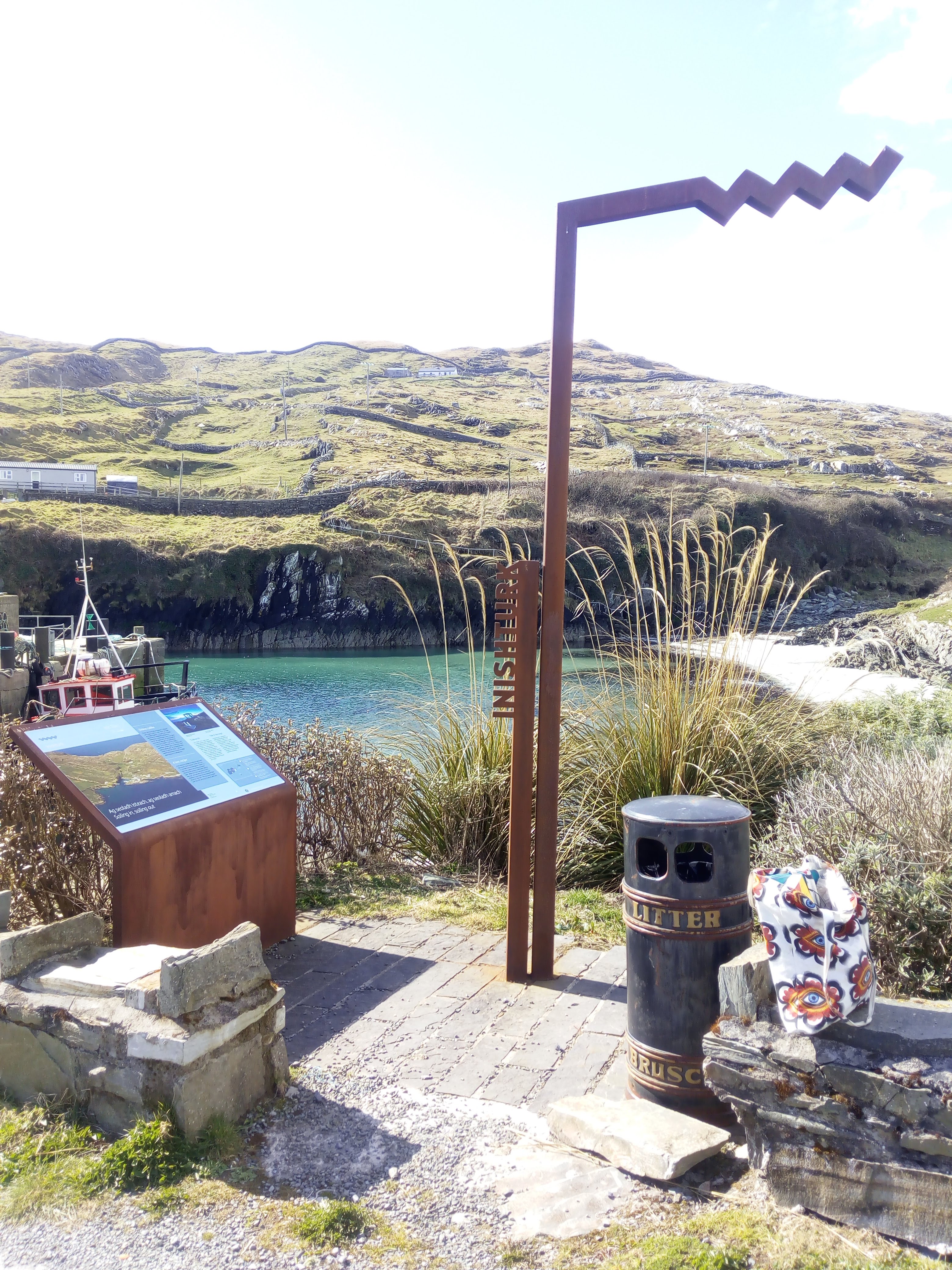
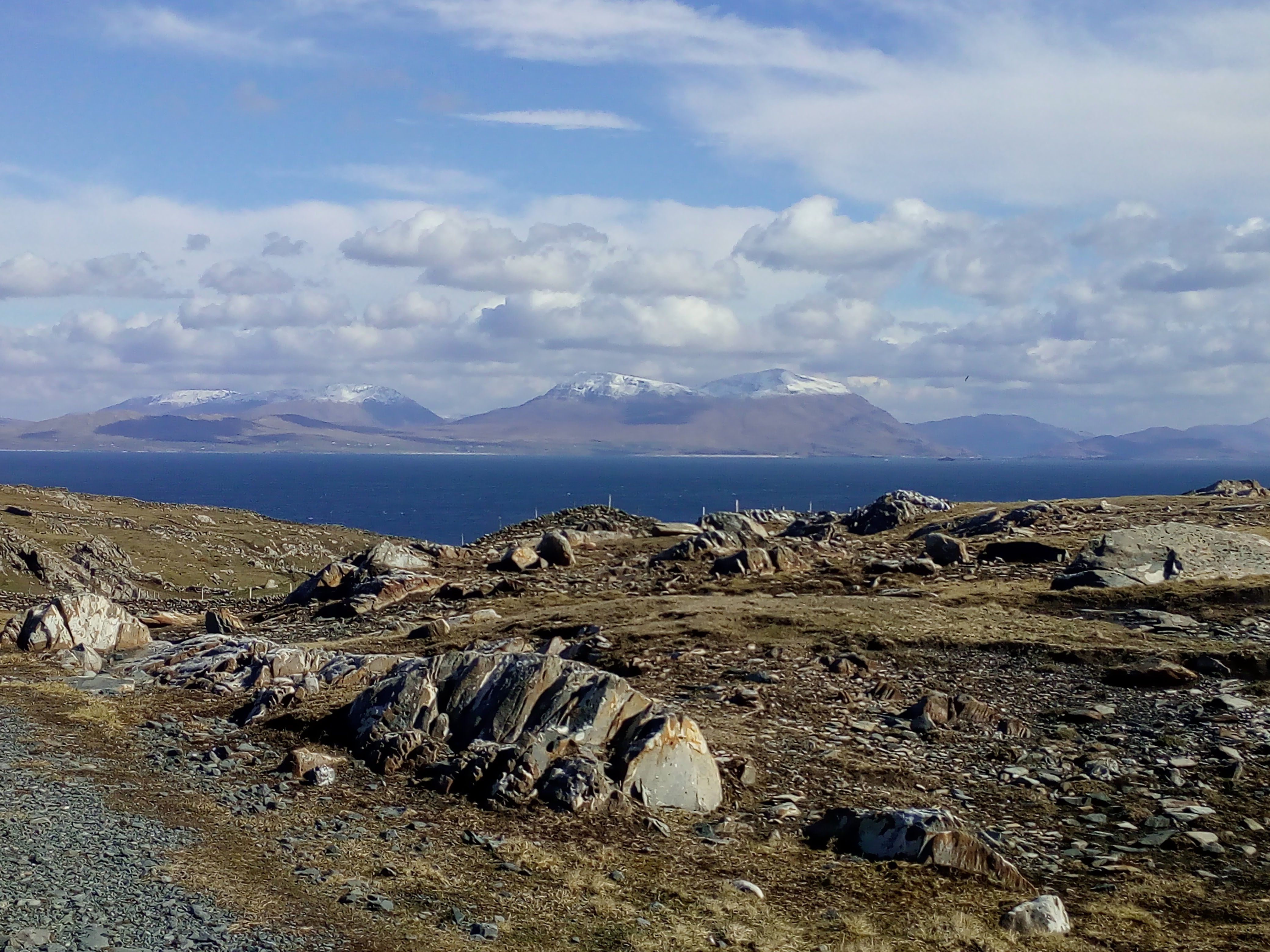
Google Photos recently reminded me of an April 2018 trip to Inisturk and Clare Island, two islands off the coast of Mayo. That holiday turned out to be significant as it was over those few days that my interest in island living and island life was piqued. I came away with an idea of island life, but it took a bit more reading before I got a grasp on the reality of island life.
Idealisation of island life is nothing new. Indeed, lip service to the ideal allowed successive governments to ignore the challenges faced by islanders, a point that is to the fore in Diarmaid Ferriter’s On the Edge. Ireland’s Off-shore Islands: A Modern History in which the mythology of the island experience is examined alongside its reality, from pre-Famine times to modern day.
The islands have always been portrayed as an ideal, a haven for tourists. Tourism, though it brings many benefits, can obscure the bread-and-butter issues crucial to sustaining communities. Tourism, in short, doesn’t tell the whole story.
That said, there are few better places to holiday than Ireland’s offshore islands.
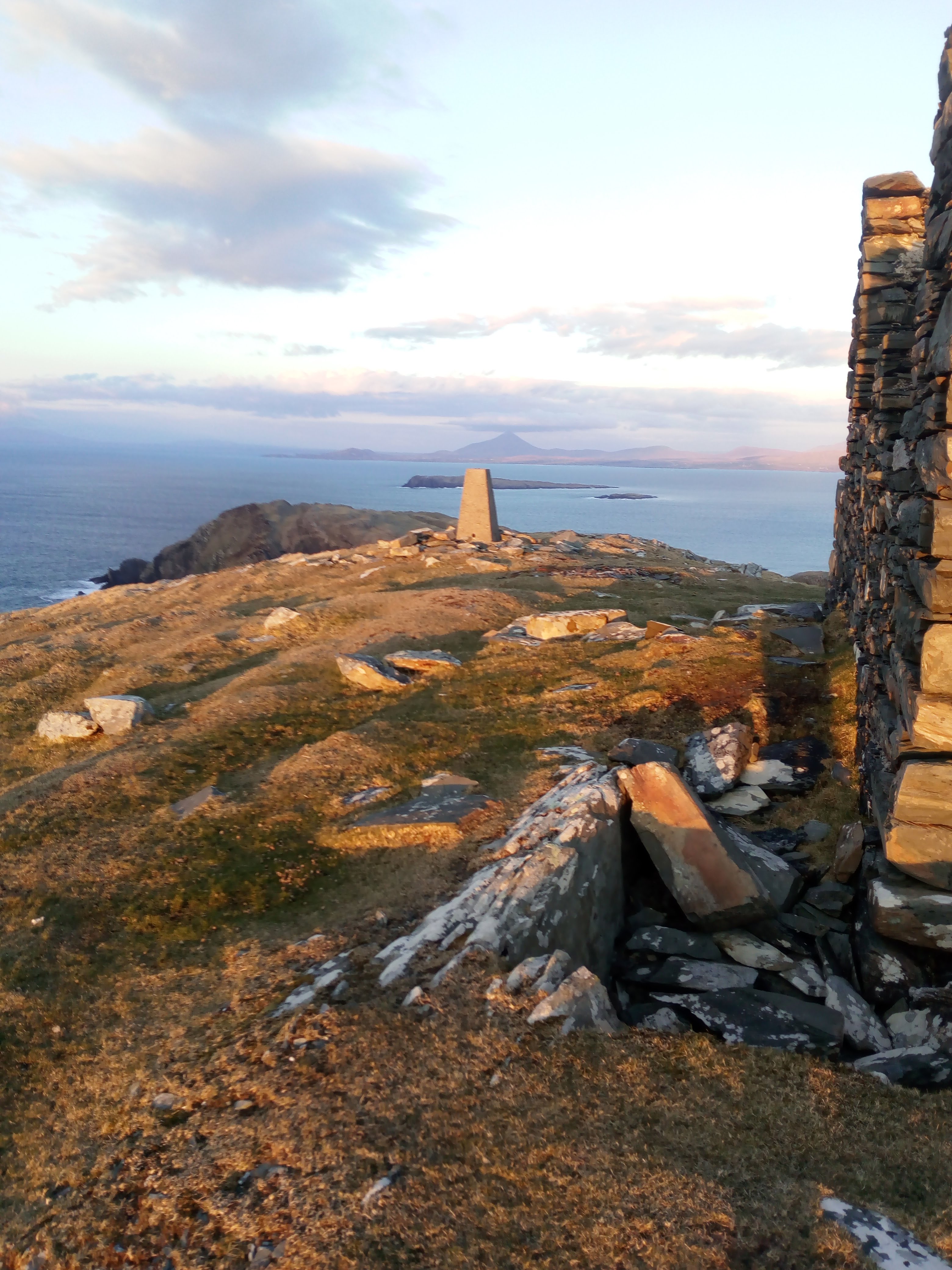
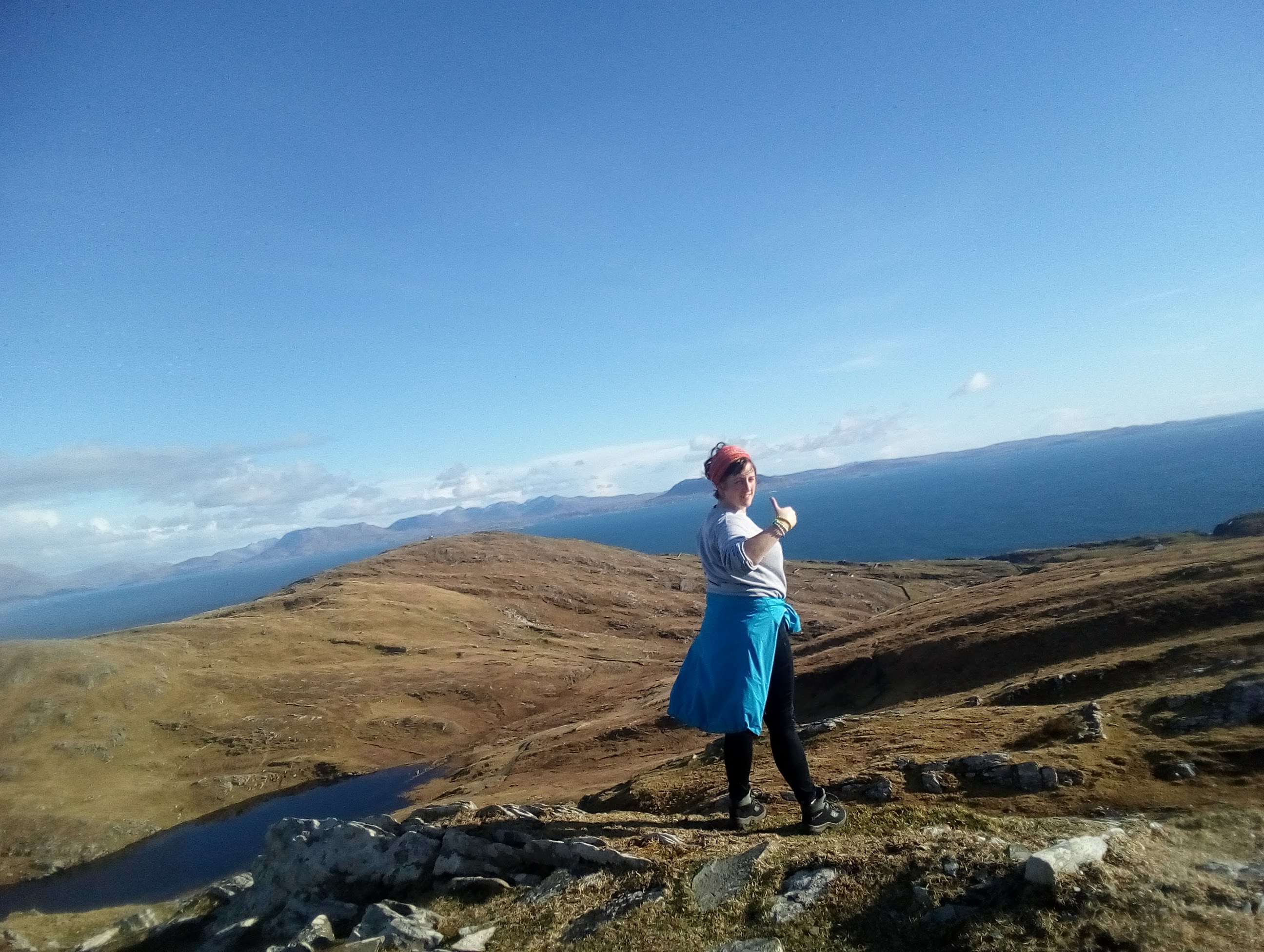
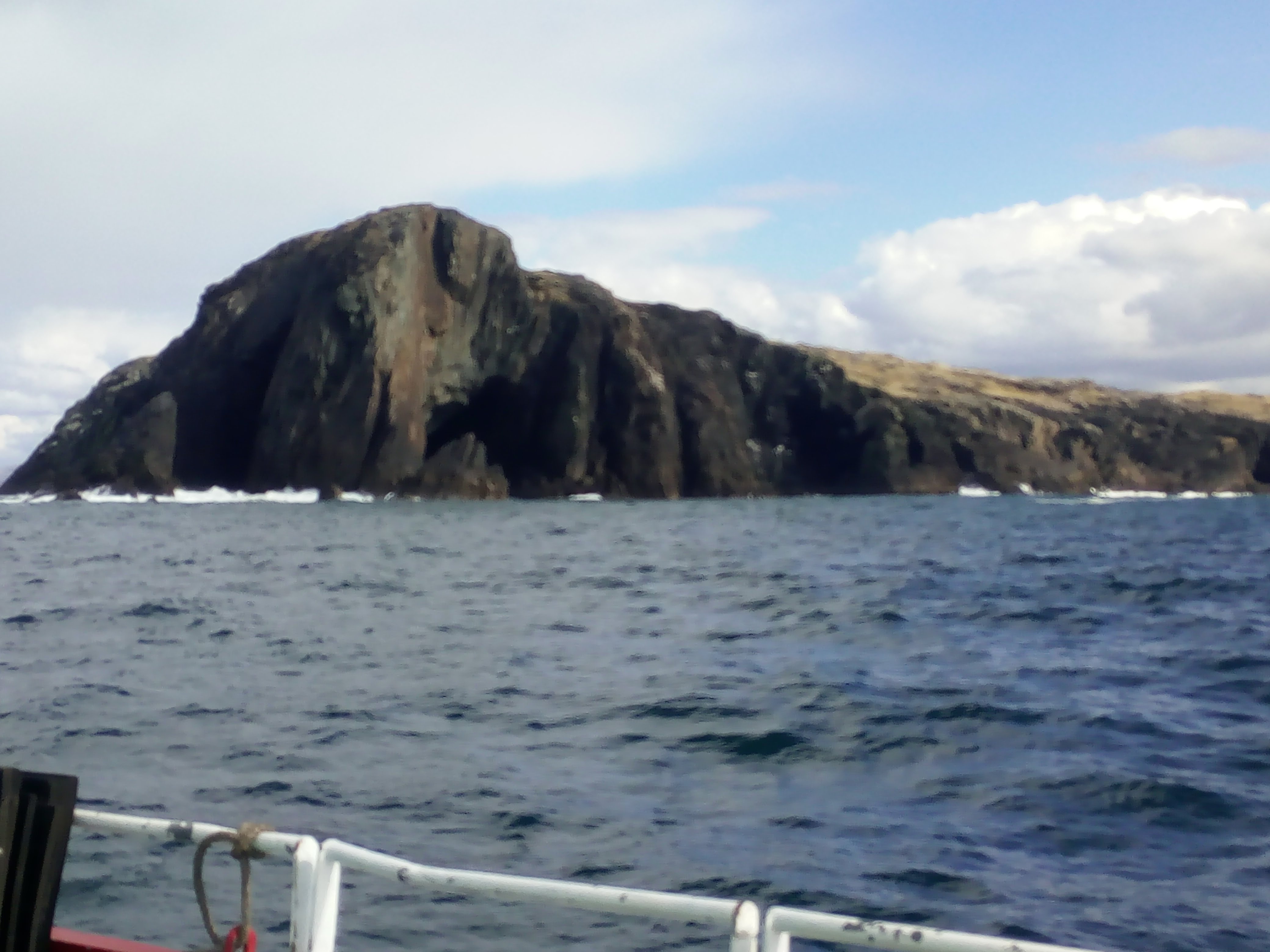
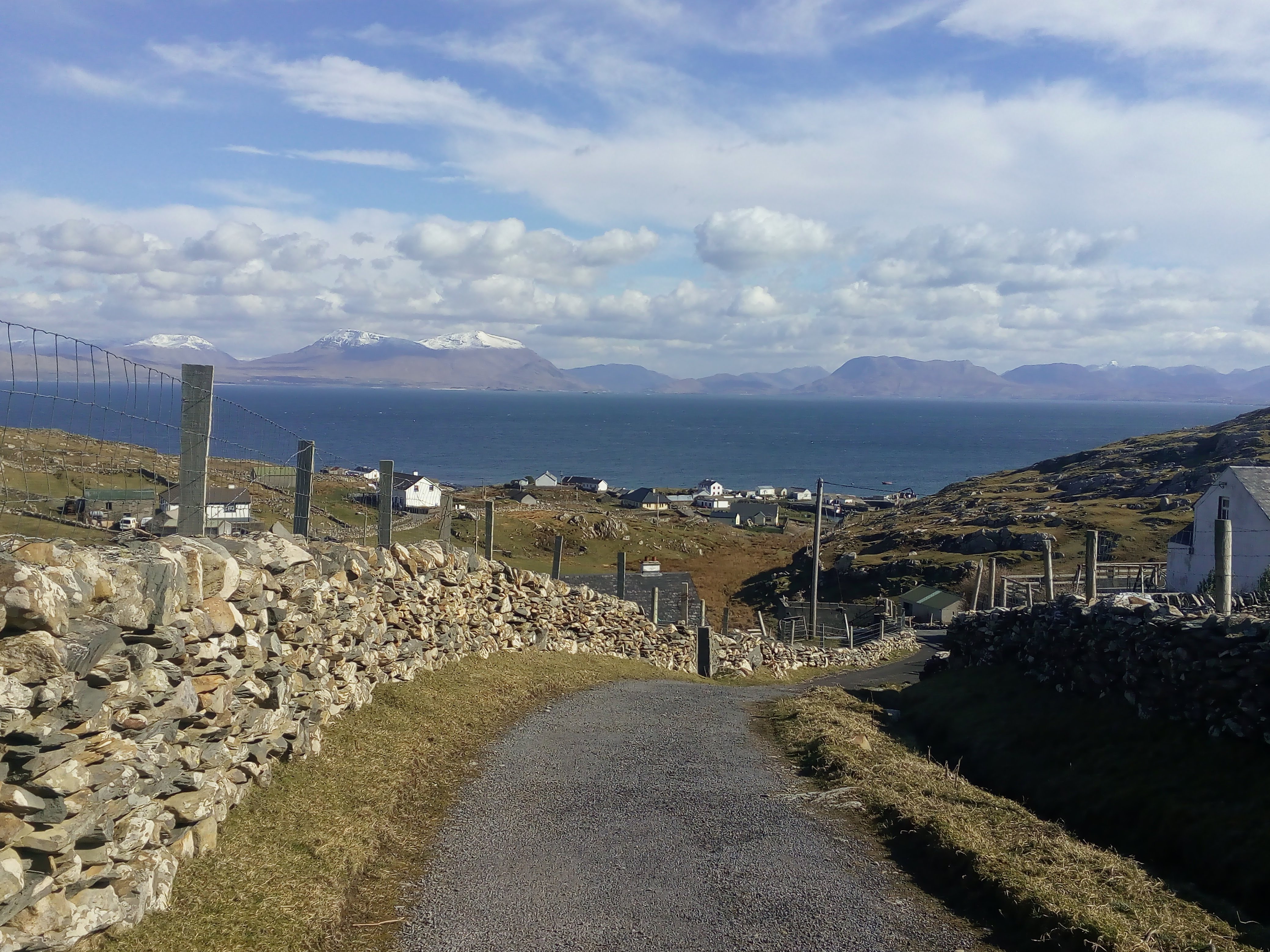
Clare Island and Inisturk are accessed from Roonagh Pier outside Westport. Though Clare Island is more renowned and certainly more equipped for tourism, it was Inisturk that enchanted me. It’s definitely in my top five of most beautiful places I’ve been and seen.
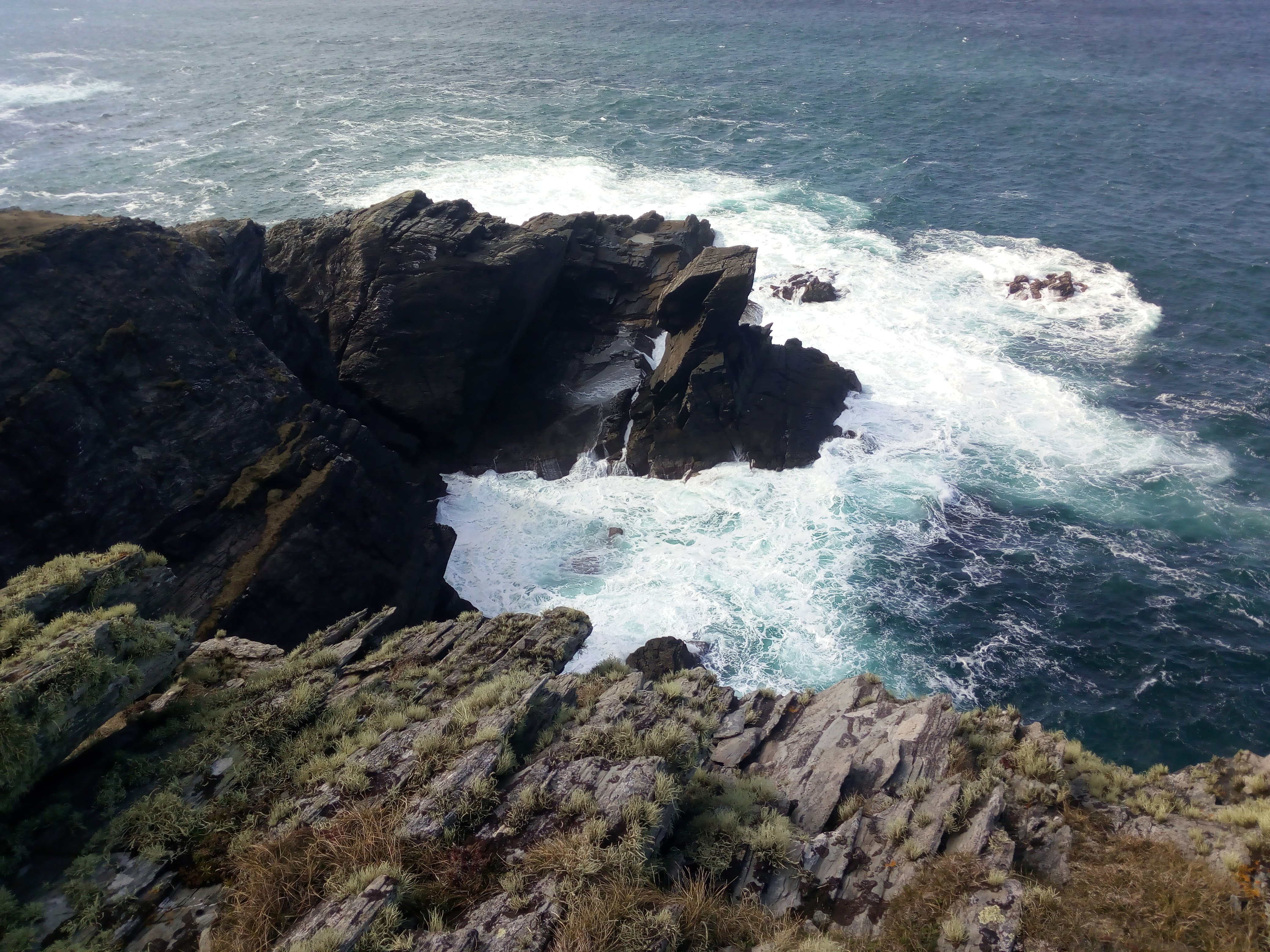
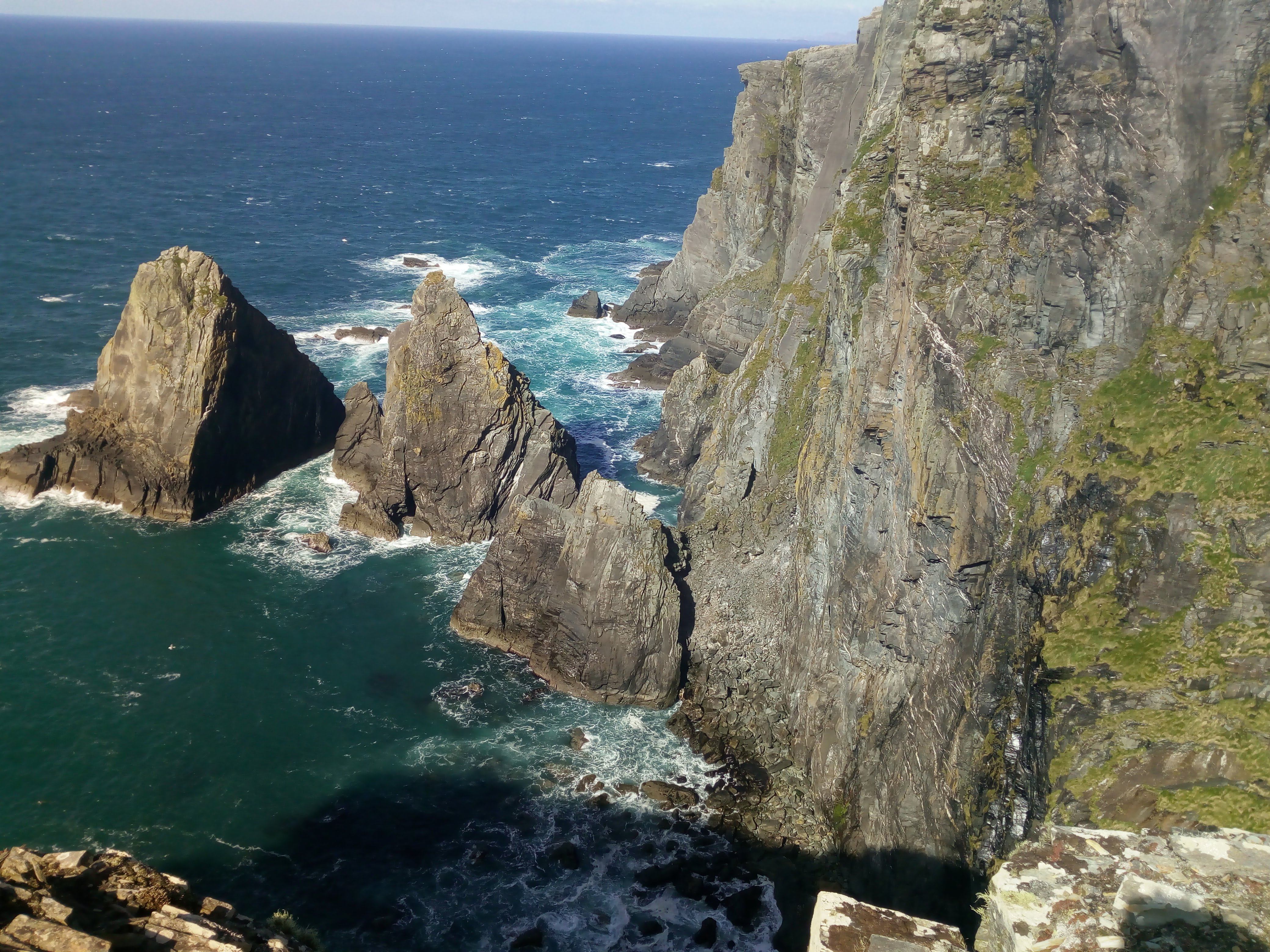
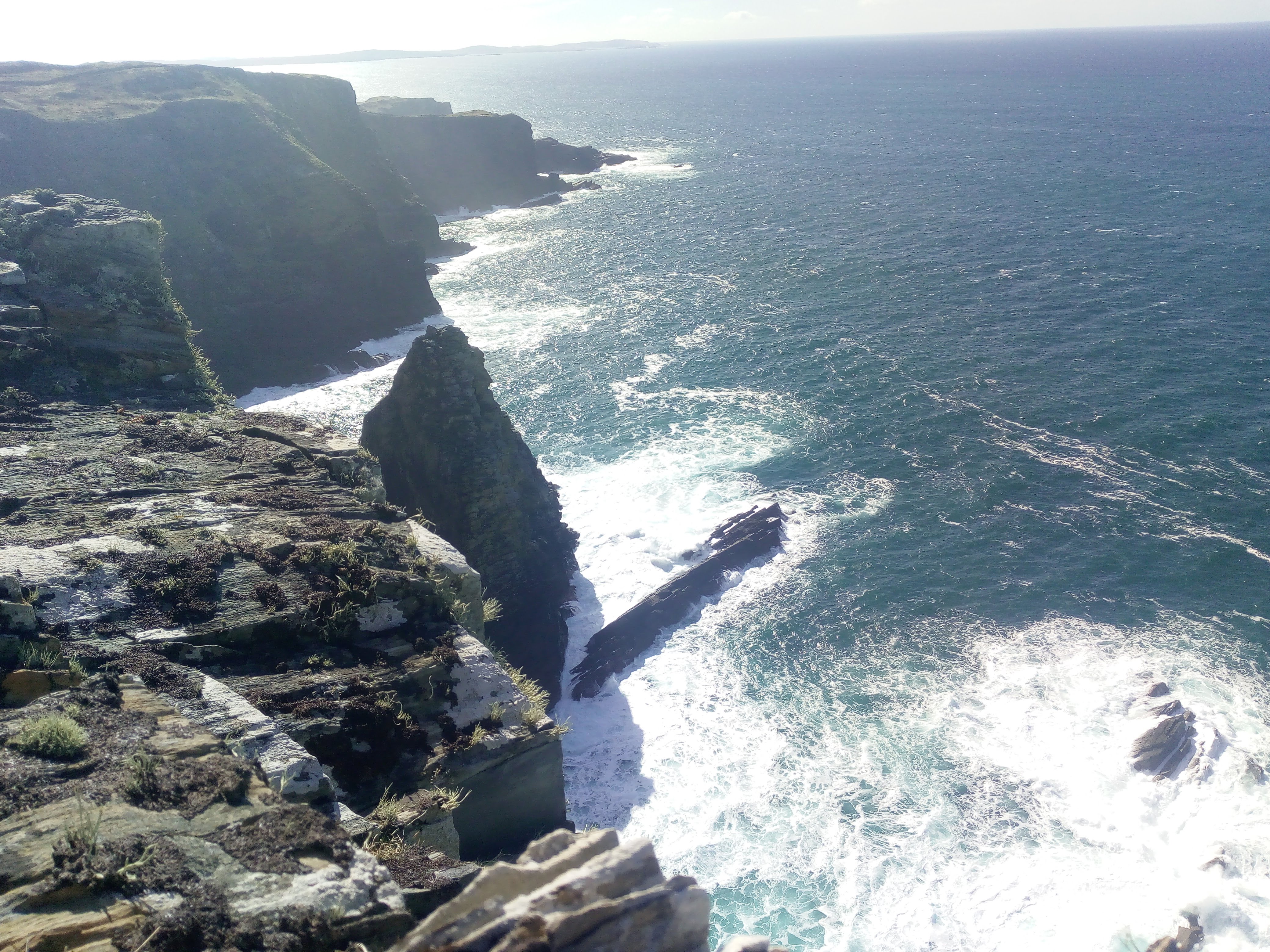
Inisturk is a small island of around 5km x 2.5km whose sheer cliff faces rise boldly from the Atlantic to its peak of over 620ft. The population in 2016 was 51, but censuses are taken in spring and the population is likely lower in winter. The island has a community centre that also serves as a pub. It has a primary school, a few BnBs, a famous football pitch, and a pier that sits nestled in the island’s foothills. I remember the activity at the pier, and the vivid colours of the two or three red and green fishing boats that bobbed there.
I hit the jackpot with the unseasonably mild and dry weather, and I walked all day every day. At the island’s peak stands a Napoleonic tower, and from there the Atlantic stretches infinitely below, punctuated only by neighbouring Clare, Achill and Inisbofin islands and the scores of others that dot Clew Bay. In the evening, the Twelve Bins were a golden brown and I could see the white chapel atop Croagh Patrick glint in the evening sun. The turquoise or aqua green of Mayo’s coastal waters lapped at coves hidden away at the bottom of sheer cliff faces and because a fair bit of the island’s land is commonage and the population is so small, little interrupts the serenity of a ramble around the island.
Inisturk is a most beautiful place but – as with all other islands – the literature that idealises it doesn’t do justice to the islanders’ experience. As On the Edge demonstrates, among Irish governments there was never a shortage of fine words and lip service but “piers, ferries, electricity and bridges were far less forthcoming”[1].
To take Inisturk as an example, Ferriter quotes a report written by the Archbishop of Tuam in 1944 to the Taoiseach. The archbishop noted that summertime visitors could get the impression that the islanders lived ‘comfortable and carefree’ but the island suffered much from isolation, and he suggested a subsidised steamer service like that enjoyed by the Aran Islands could relieve the isolation. His suggestion went unheeded. The population continued to decline. Things hadn’t improved much for Inisturk by 1971, when six families out of seven voted to leave but were refused as evacuation was deemed too expensive by government. Four years later, the provision of electricity to the island was also deemed unfeasible and too expensive[2].
But those days are gone, right? It’s hard to know. Though Celtic Tiger governments invested money in Inisturk, the lack of jobs available means there are just three students in the school. Concern was expressed to the Irish Times in 2016 that Inisturk “will get to a point where nobody lives here in winter”[3]. In the same article, mentioned too was the acute shortage of permanent accommodation on neighbouring Inisbofin – a problem currently being highlighted by Comhdháil Oileáin na hÉireann and certainly an issue on Inis Meáin also – which further impedes young families from settling and staying on the island. In 2021, something as simple as housing or high-speed broadband could make the world of difference in sustaining island communities[4] – just as a steamer service could have in the 1940s for the Mayo islands.
Traditionally the islands were a nuisance to governments (for years, no department took responsibility for them) and portraying life there as ideal got public bodies off the hook for providing necessary support and funding. The growth of tourism was embraced as a means of sustaining island communities but for most of the smaller islands, tourism is a bandage rather than a cure. [5]
There is a tendency to think that for so long as the tourists are coming then life is okay. But tourism numbers can obscure the realities of island living. And these realities include the near impossibility of securing planning permission, the countless empty houses, the game-changer that high-speed broadband could be, declining youth populations and the difficulty securing long-term rental accommodation. For so many islanders and wannabe blow-ins of working age, island living is simply unfeasible (it is, after all, hardly commuter-friendly) and for others, the quiet life is simply too quiet.
The trade-off for those that stay is that communities can be tight, there is scarcely a better place to rear children, and what an island lacks in amenities, it makes up for in safety and slow pace.
I’ve written plenty on my delight in island living, but living on an island as a single person for a year or two is very different from settling here long-term to live and work. Though, for me, the positives far outweigh the negatives, the decline in island populations would strongly suggest that the same cannot be said for all.
All that said, go visit Inisturk. Look at those photos; it’s is undoubtedly beautiful place. Stay with Mary Catherine Heanue if she’s open and she’ll feed you like a queen. Marvel at the scenery. Come to all the islands, marvel at them all. Get caught up in their romance and loveliness and have a lovely time. But look around and listen too, to the reality of life there; you’ll find that the story of real and modern island living is far more interesting than the romantic ideal in the guidebook.
Put the kettle on and click on the homepage to browse nearly sixty other posts on subjects as diverse as swimming in the sea, US politics, the bog and places I’ve seen or been. You can also search by category at the top of the homepage. Or follow me on Twitter, I’m great craic!
[1] Irish Times, 13 October 2018. Also, I say ‘Irish governments’ because as Ferriter demonstrates, more was done for the islands under British rule than was done in the first five or six decades of native rule.
[2] Diarmaid Ferriter, On the Edge. Ireland’s Off-shore Islands: A Modern History (London, 2018), pp.88-89
[3] Irish Times, 17 December 2016
[4] There is a common misconception that Three brought superfast broadband to all the offshore islands, but in fact they connected one island, Arranmore off the coast of Donegal, and fair play to them for it – all the islands need it – but the rest of us are hotspotting off phones or using the likes of Imagine or Eir or whoever.
[5] It can result in downright condescension. Take this nonsense from the Visit Mayo section of Mayo County Council’s own website, “if you spend the night the locals will head down to the community centre bar to keep you company and to find out about events in the outside world” – as if those people haven’t Netflix, a television and WhatsApp like the rest of us.


