
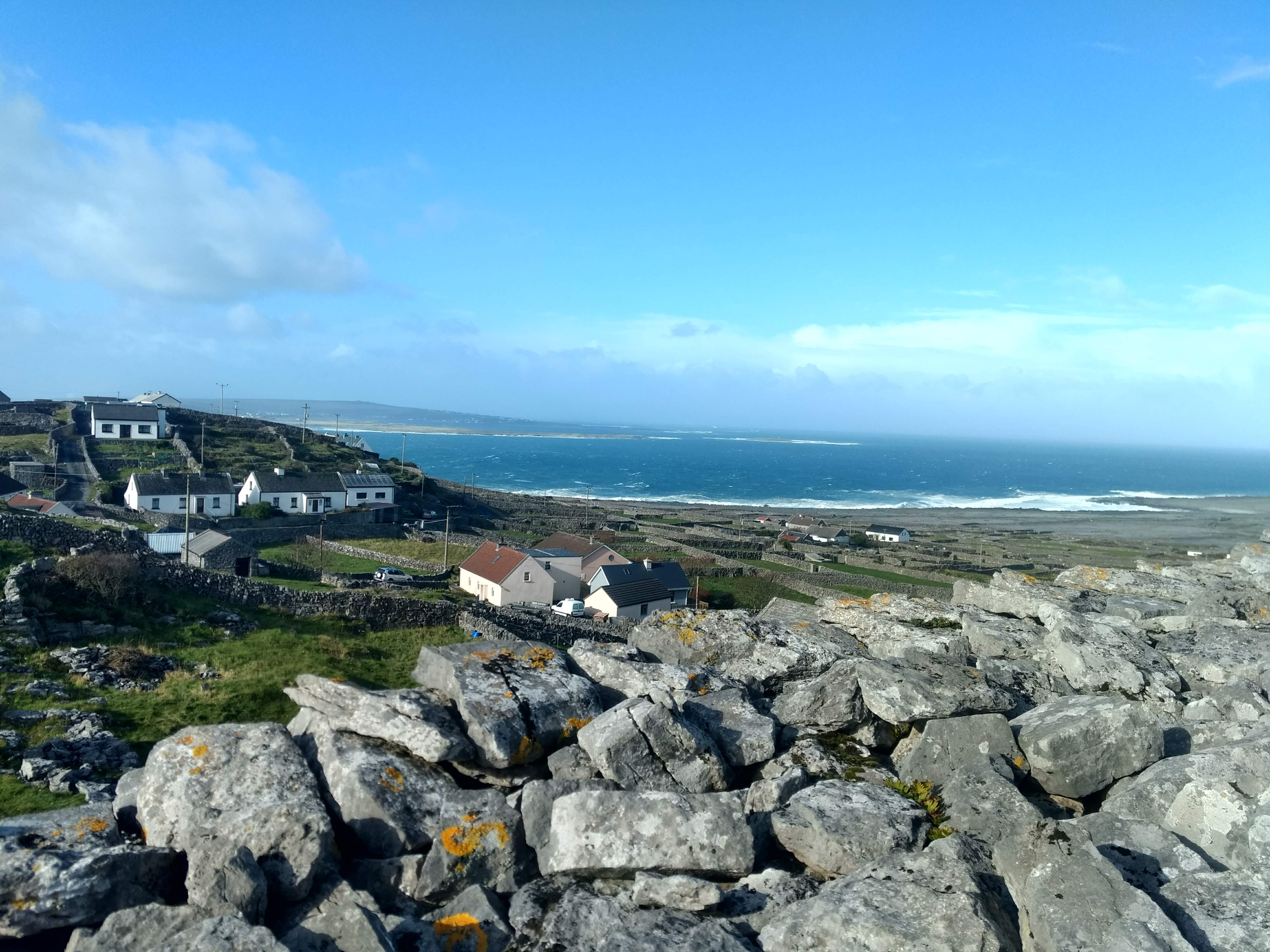
This was posted last November but I took it down to fix it up. This weekend, the island’s busiest with visitors, seems as good a weekend as any to reinstate it.
Inis Meáin’s most famous visitor John Millington Synge had a big year in 1907. His Playboy of the Western World premiered, rather famously, on the Abbey stage. And that year too, his account of the time he spent here on the Aran Islands was published. To mark my moving here, I was given a copy of it. I’ve read and reread it several times.
And what Synge found is what I have come to find; that the best thing about Inis Meáin is that there’s nothing to do on Inis Meáin. Few must-sees, fewer must-dos, even less bookings to rush to or reservations to attend. The result of that absence of distraction is space for the mind to wander freely.

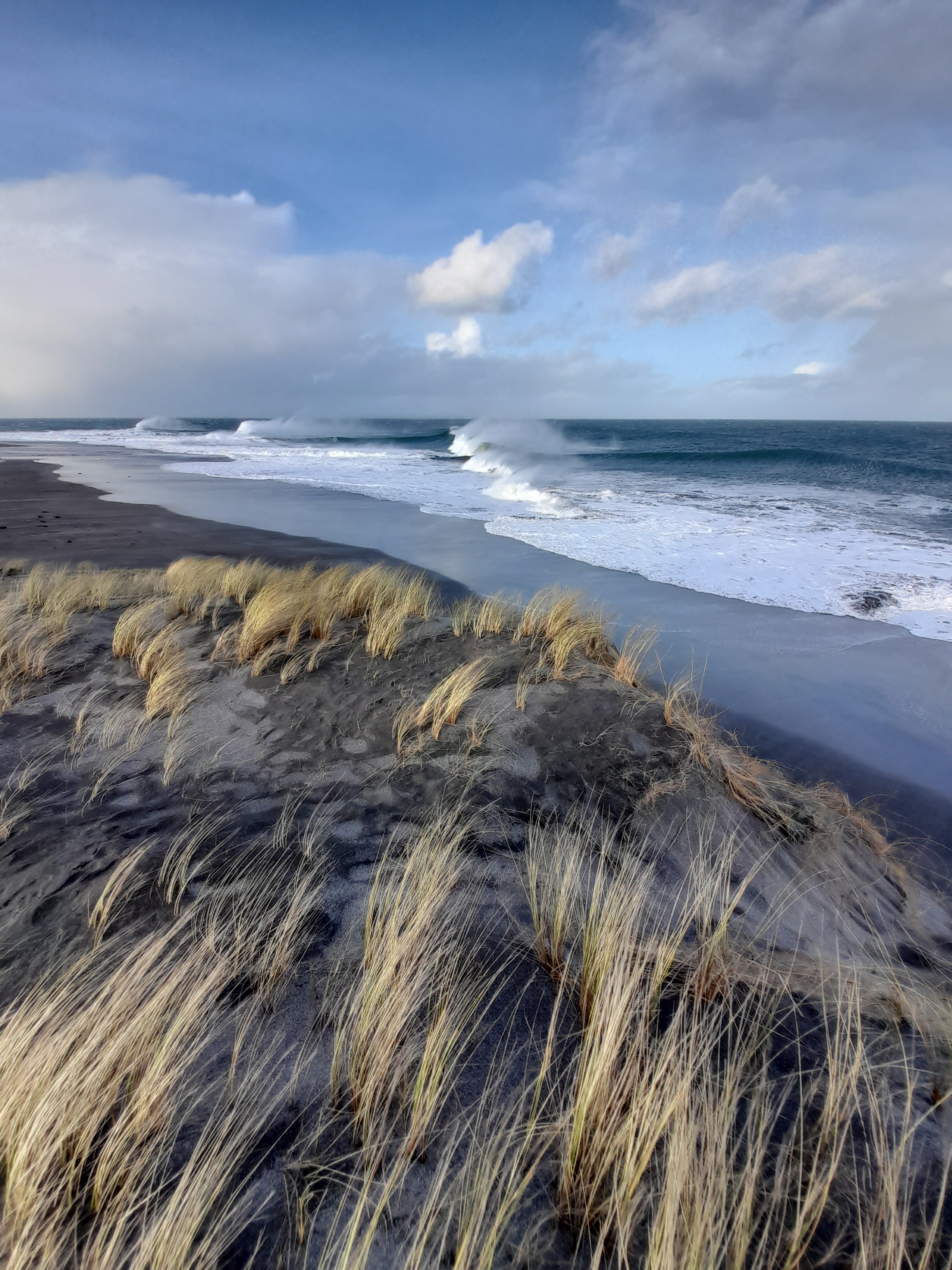
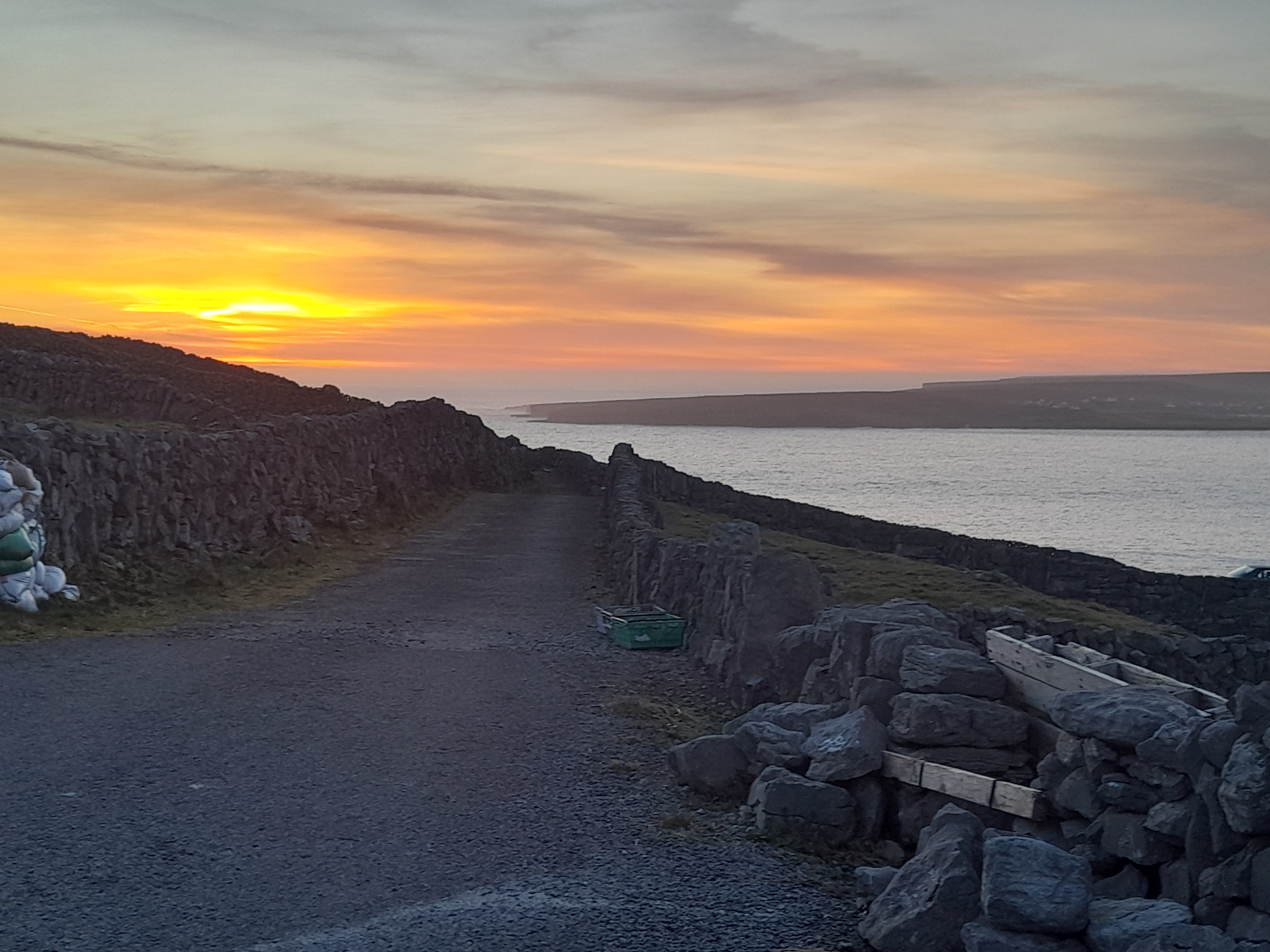
Though times have changed dramatically since Synge’s time here, there are still glimpses of what he saw and noted – not least in his complaints of Inis Mór being too commercialised, the effect the bad weather can have on the island’s mood, and grumblings about the prevalence of the ‘foreign tongue’. He came here on Yeats’ recommendation that he ‘express a life that had never found expression’[3]. Throughout his time here, Synge let himself be lost in the island’s enviable naturalness as he listened to and recorded local folklore, developed his Irish, explored the island and immersed himself in the life of here.
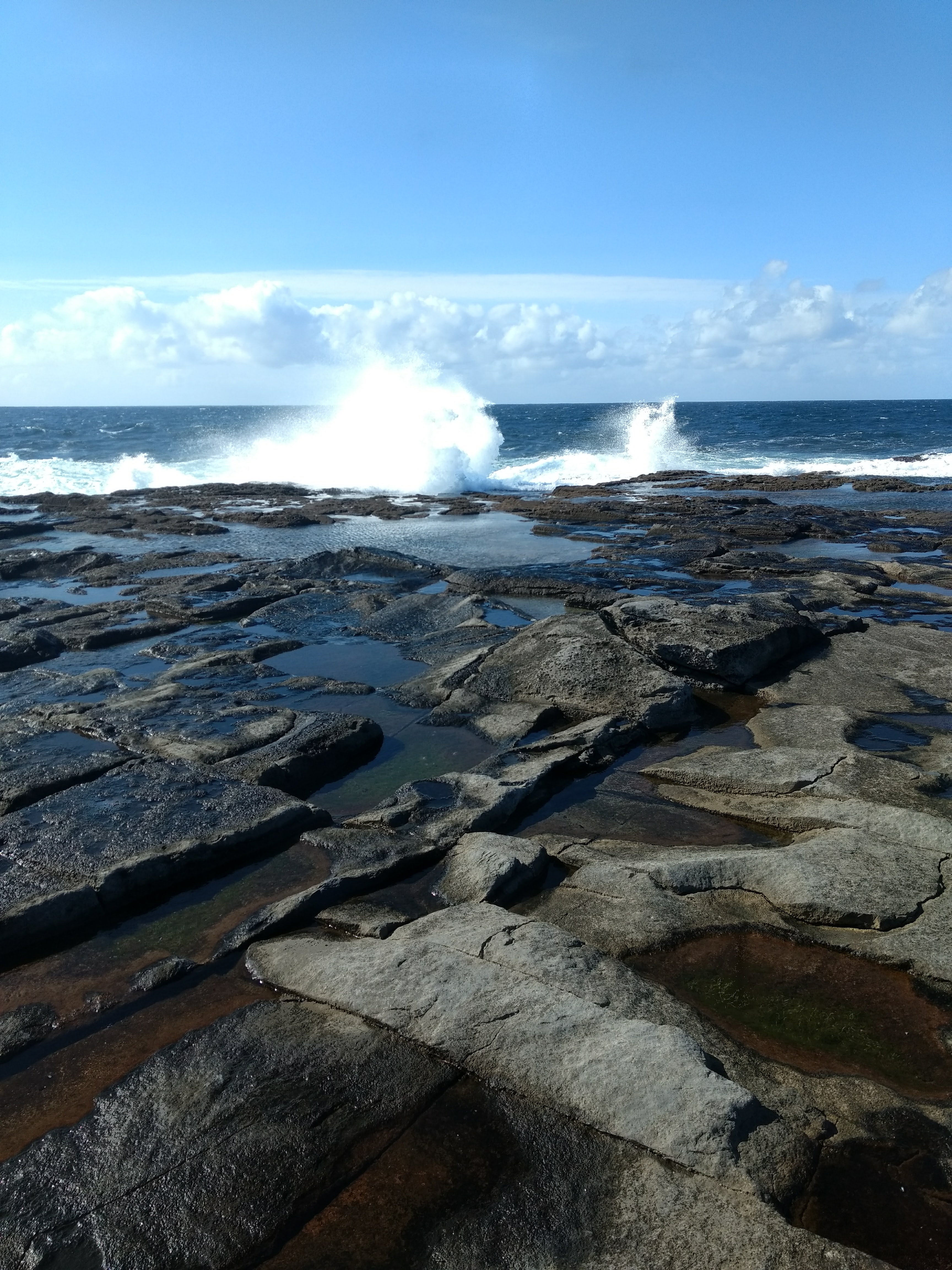
He wasn’t short on sources of inspiration. Atop the mighty walls of Dún Chonchúir he saw sea on all sides and daydreamed under warm sun. He wandered along cliff faces, and his hair hardened with the same salt he tasted on his lips. He was mesmerised by glittering waves and ribbons of shimmering swell. He picked his way across rocks and boulders to reach the island’s extremities. He rambled to the pier, following the crowd, and watched all island life there.
A visitor today would do much the same. Exploring. Letting the mind run free. Unleashing imagination.
Seduced imaginations, as they have done for generations, draw people to Inis Meáin, the middle of the Aran islands. Writer and cartographer Tim Robinson explained the allure of the Aran Islands as thus,
If Ireland is intriguing as being an island off the west of Europe, then Aran, as an island off the west of Ireland, is still more so; it is Ireland raised to the power of two’
Tim Robinson
Intrigue breeds curiosity, wonder, and imagination when it has the time and space to flourish, as it does here on Inis Meáin. Where else does one have the time to notice tiny wildflowers unseen elsewhere? To realise that we are of course in Burren country, not because there’s a sign saying so but because we see its flora and fauna with undistracted minds? Where else would the peace be found to find oneself studying the myriad limestone walls, wondering why they are the way they are or whose hands built them? Where else would you knock an hour out of sitting on a rock, confronting the vastness of the Atlantic, pondering its glory and power, reckoning with the tumult of crashing waves?
In such a flourishing of the imagination, Synge was inspired to write Playboy of the Western World, Riders to the Sea, and a rich account of life here. Few of us have Synge’s mind and intellect, but nor can we say we were too busy, had too much to do, had too many commitments to see some of what he saw.
Imagining a different Ireland – a free one, a Gaelic one – was the objective of the troops of academics and nationalists and artists who came here in the nineteenth and early twentieth centuries. They came here to mine for a glorious ancient past that might form the basis for their reimagining of Ireland, their new ideas of Irishness, and the place of the language in the contemporary world.
Visitors who come here today also do some reimagining. They come for a glimpse at the version of Ireland lived here, an Ireland different to the one they know, or have bought into. They see here an Ireland stripped back, with different priorities. An Ireland where tradition and modernity live side by side; where the ancient language is spoken and Netflix is subscribed to. A bit of Ireland that’s different, for better or for worse. Ireland, but not as they know it.
Just as Synge did.

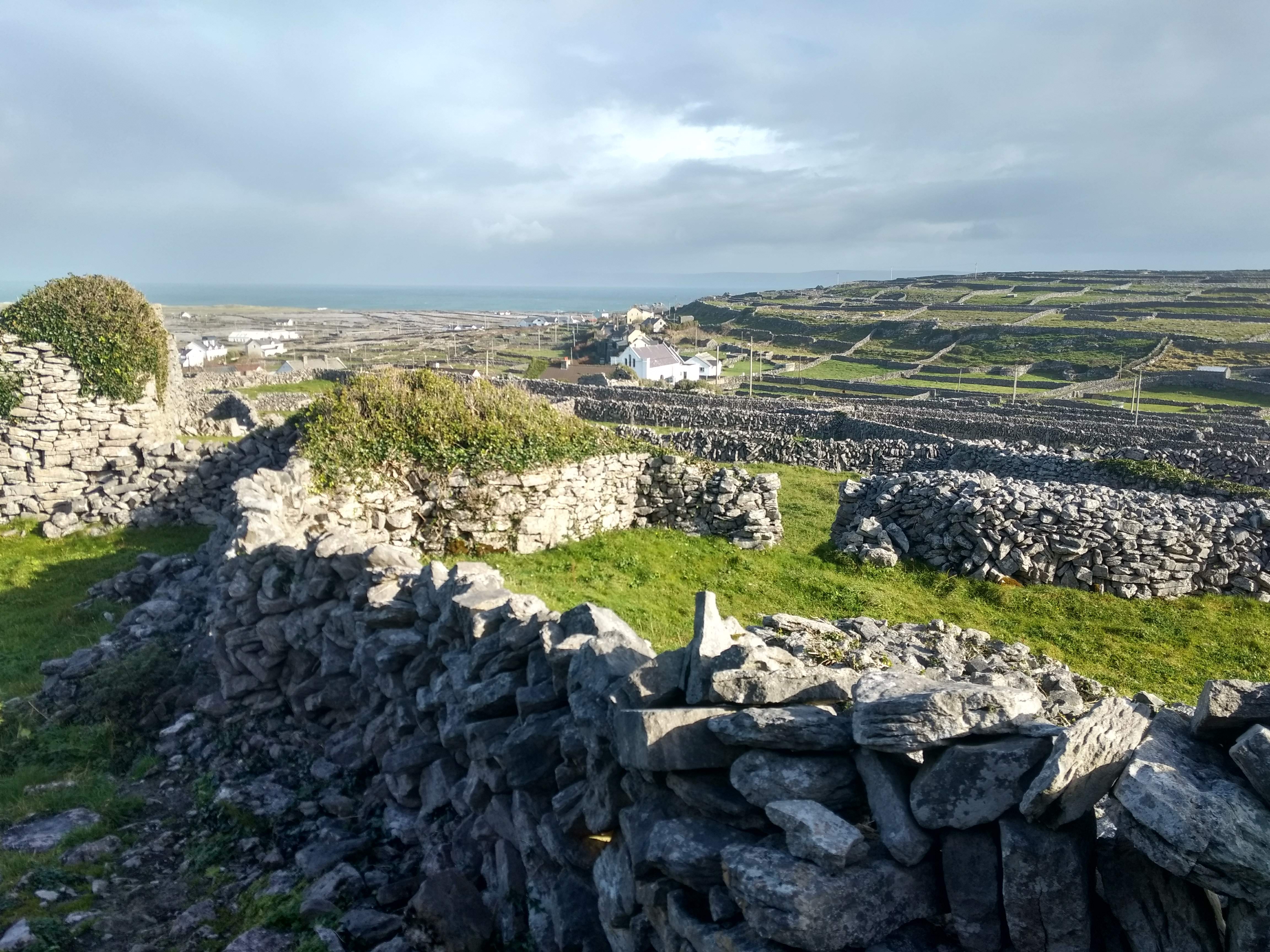
Places without noted or famed attractions, tours and glossy merchandise usually struggle to attract visitors. But visitors continue to come to this island and indeed, some of us move here. Its natural beauty delights us all, but the island’s gift to the visitor is the time and space to dream, think, notice and observe, to see the world a little differently.
In short, the best thing about Inis Meáin is that there’s nothing to do on Inis Meáin.
Put the kettle on and click on the homepage to browse nearly sixty other posts on subjects as diverse as swimming in the sea, US politics, the bog, places I’ve seen or been and whatever I think to write of about islands – I love a good island. Or follow me on Twitter, I’m great craic.

 doireann.ie
Doireann, I don’t know why I stopped receiving notice of your blog posts, but I just came to my emails, and in typing in a search for another friend, after the DO, your name popped up and I saw that I’d missed so much. I’ll go back and read them all over the next days. I’ve just read your one year anniversary entry and I must say that it was absolutely brilliant and reduced me to tears. I won’t be so bold as to suggest more work for you as I did in my last email. (My sincere apologies if that was too much from me.) I will just say that if you are considering a book about the island, please do it. You capture everything through your powerful expression. I hope you’re well and that you will stay. I hope I see you again. Vivienne
On Sat, Jul 31, 2021 at 1:11 PM Doireann in America wrote:
> doireanninamerica posted: ” This was posted last November but I took it > down to fix it up. This weekend, the island’s busiest with visitors, seems > as good a weekend as any to reinstate it. Inis Meáin’s most famous visitor > John Millington Synge had a big year in 1907. His Playbo” >
LikeLike