
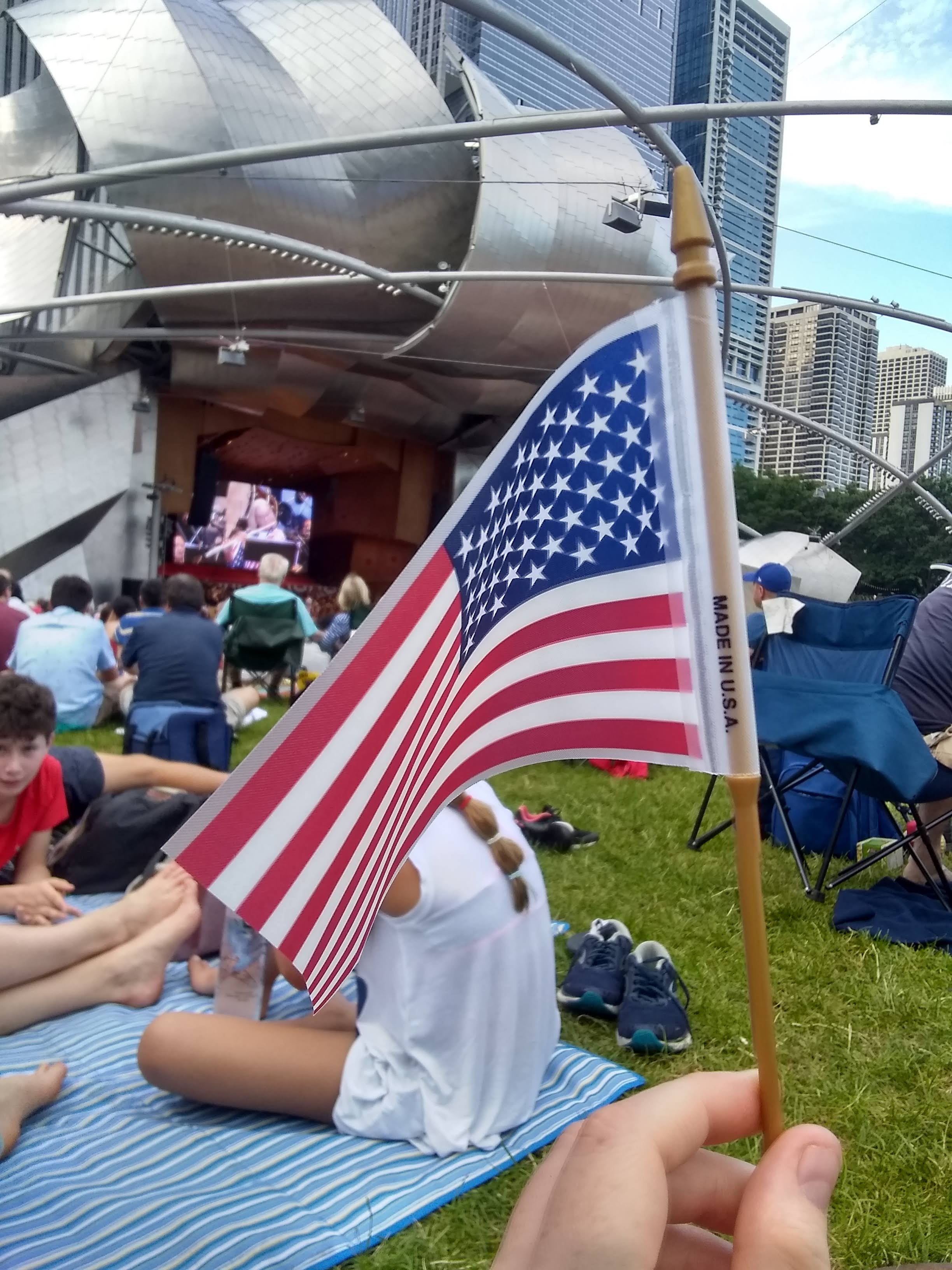
I found myself thinking a lot last week about my time in America, partly because of the election and partly because I finished a facewash that had lasted me since Chicago. I read old blog posts and browsed old photos, read back old diary musings. I was trying to see if all that I had seen mattered, if it fitted into a bigger picture – particularly the one painted last week.
I’m none the wiser if it did.
I was so lucky. I got to see parts of America we’re not normally shown, got to peer into its back gardens from Amtrak trains, got to see first-hand the kaleidoscope of experience that is American life. It was a wonderful opportunity, and it highlighted just how little we know about America – even though many of us spent last week ‘in thrall to the beating, flashing heart of American news’[1].
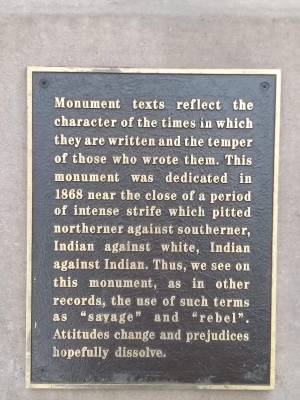
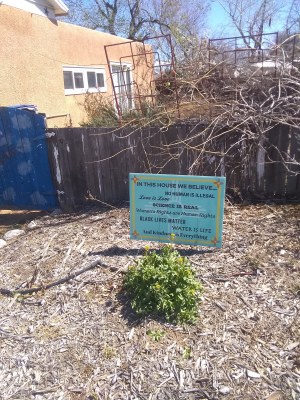
There was some of it that was to be expected, based on what I’d read and seen on the large and small screens. But much of it, if not all of it, was a far cry from I’d seen. I took trains and buses where I could, to see as much as time would permit.
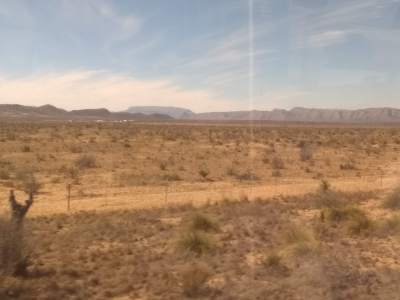
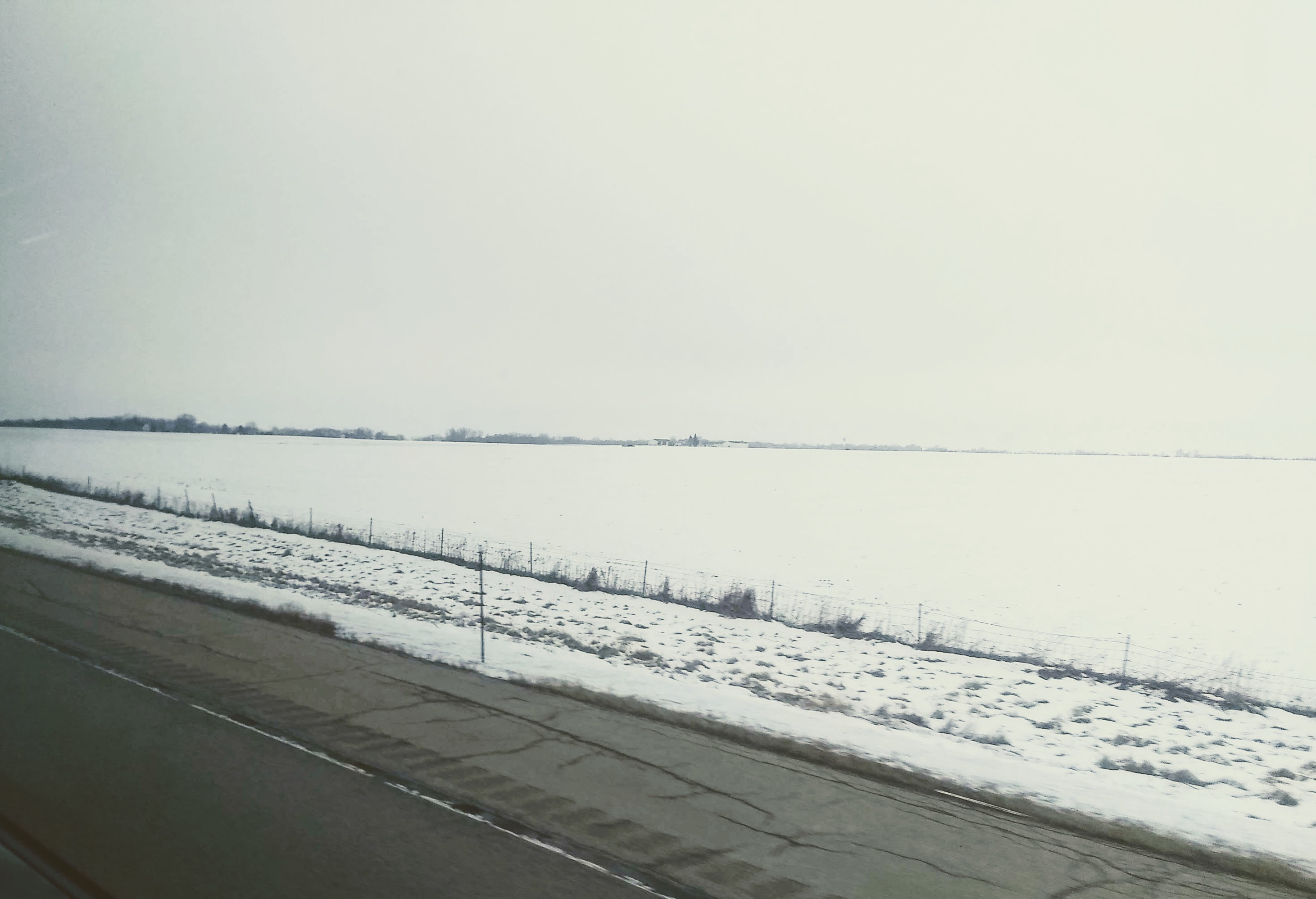
I saw the swamps of Louisiana, and land dried to dust in west Texas. Hundreds of miles north, I saw similarly desolate landscape in North Dakota, except that land had nuclear reactors (best place to hit Russia from, I was told, across the Artic Circle). In the Midwest I saw endless fields of corn, punctuated by stoic farmhouses and perfectly neat outbuildings, miles away from other homes. I rode an endless highway to Little Rock with no towns along the way, just mammoth service stations and mega-churches.
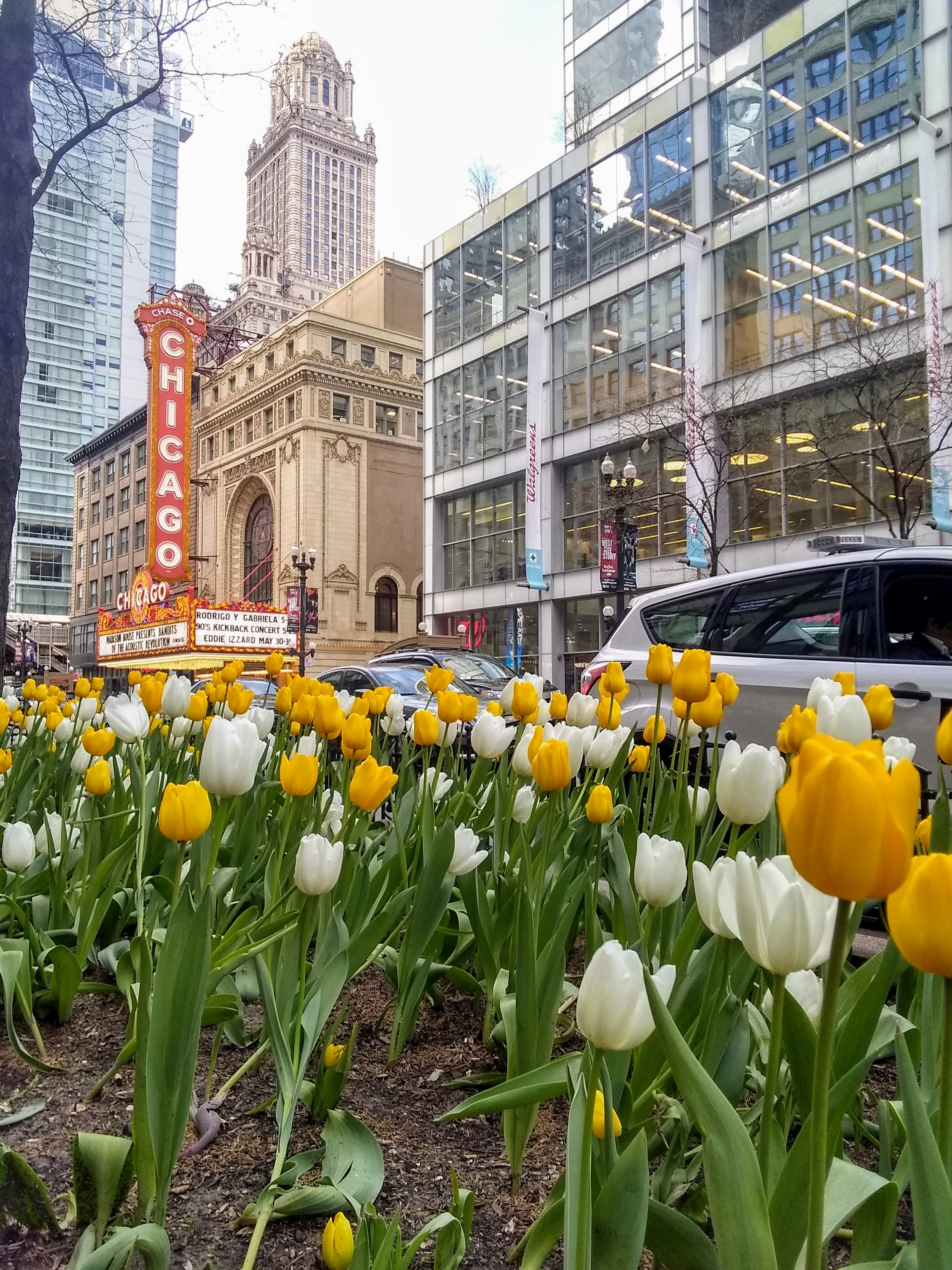
I was jammed on New Orleans sidewalks with thousands of others at Mardi Gras. In Austin, I saw crisscrossed flyovers like the tangled leads behind a TV. I rambled down a heaving Michigan Avenue on the eve of Christmas. I drove hours through urban sprawl before I was actually out of San Francisco, I saw the homeless encampments along the highway.
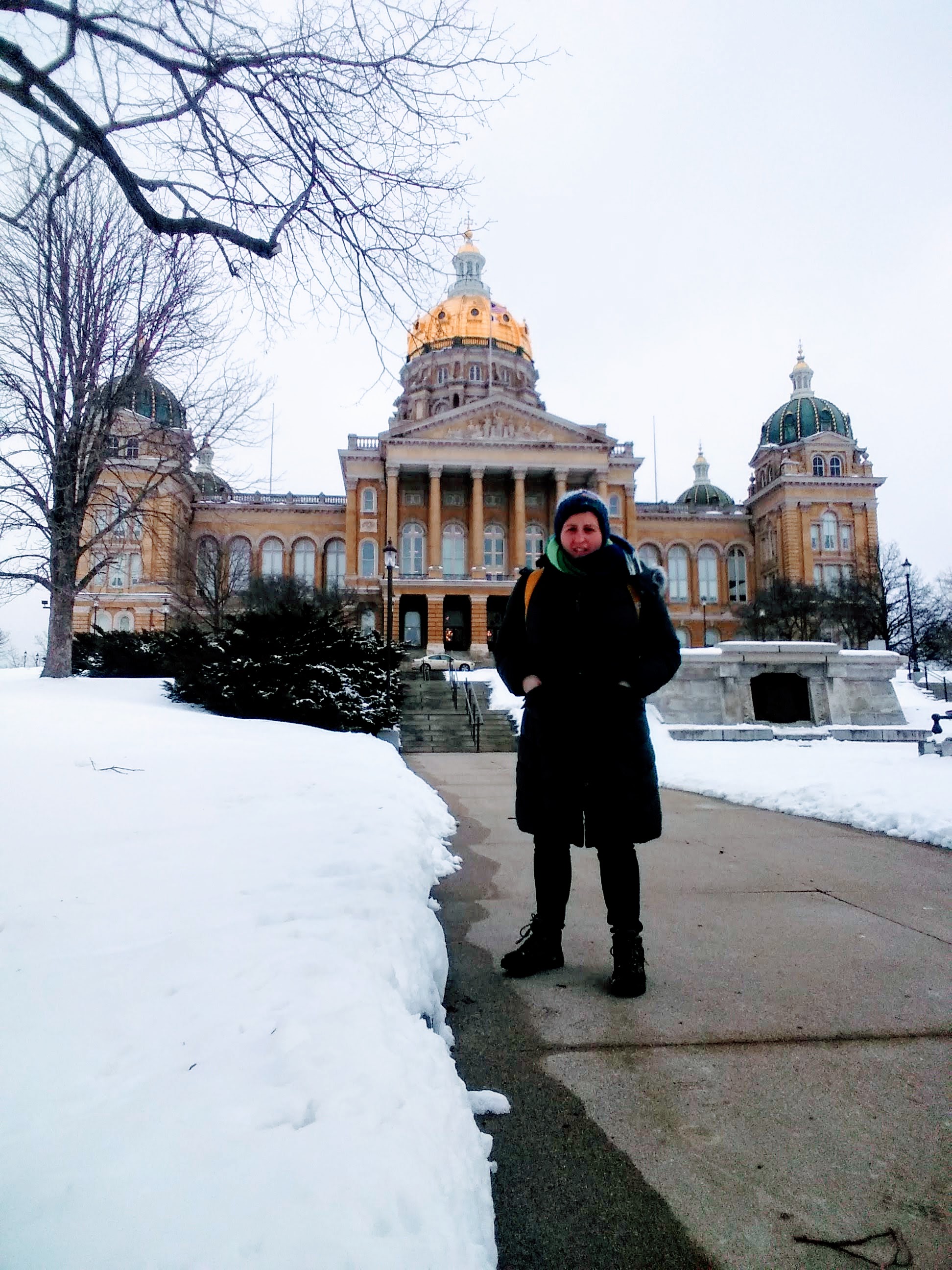
I ate cheap pizza or bought coffee from neglected skyscrapers in Des Moines. I drank beer at the top of skyscrapers that shimmered in the Chicago sun. I sat on my rucksack in Greyhound stations and chatted to people with no way to cross America other than this two-day bus.
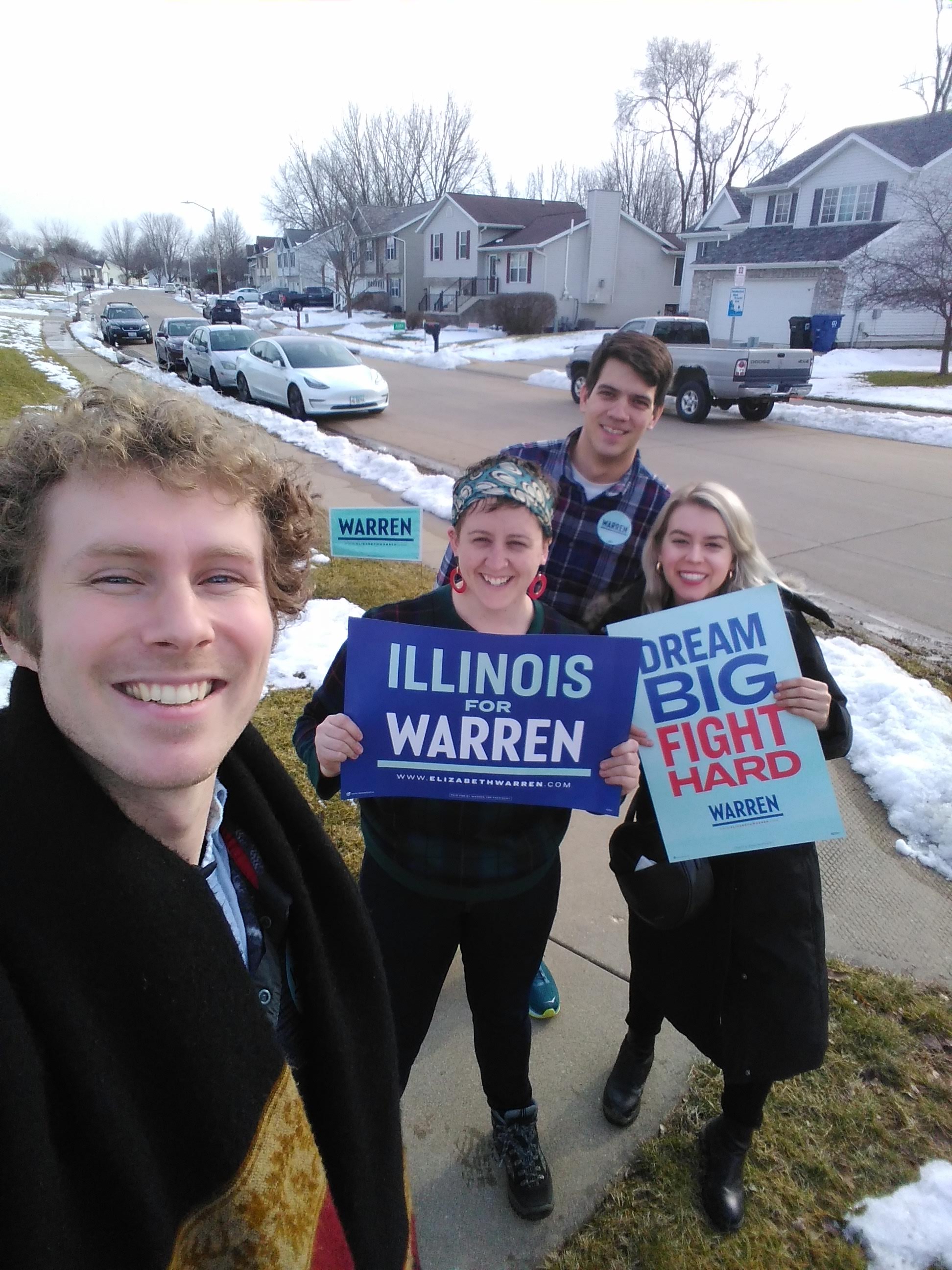
I stayed nights in mansions and took lifts to games in trucks as big as minibuses. Canvassed trailer parks with no road or path, just dirt tracks to dilapidated mobile homes. I read the plaques on the squares of little towns with stately courthouses and town halls. I rambled downtown areas, wondering always where all the people were.
I hadn’t seen that on the West Wing.
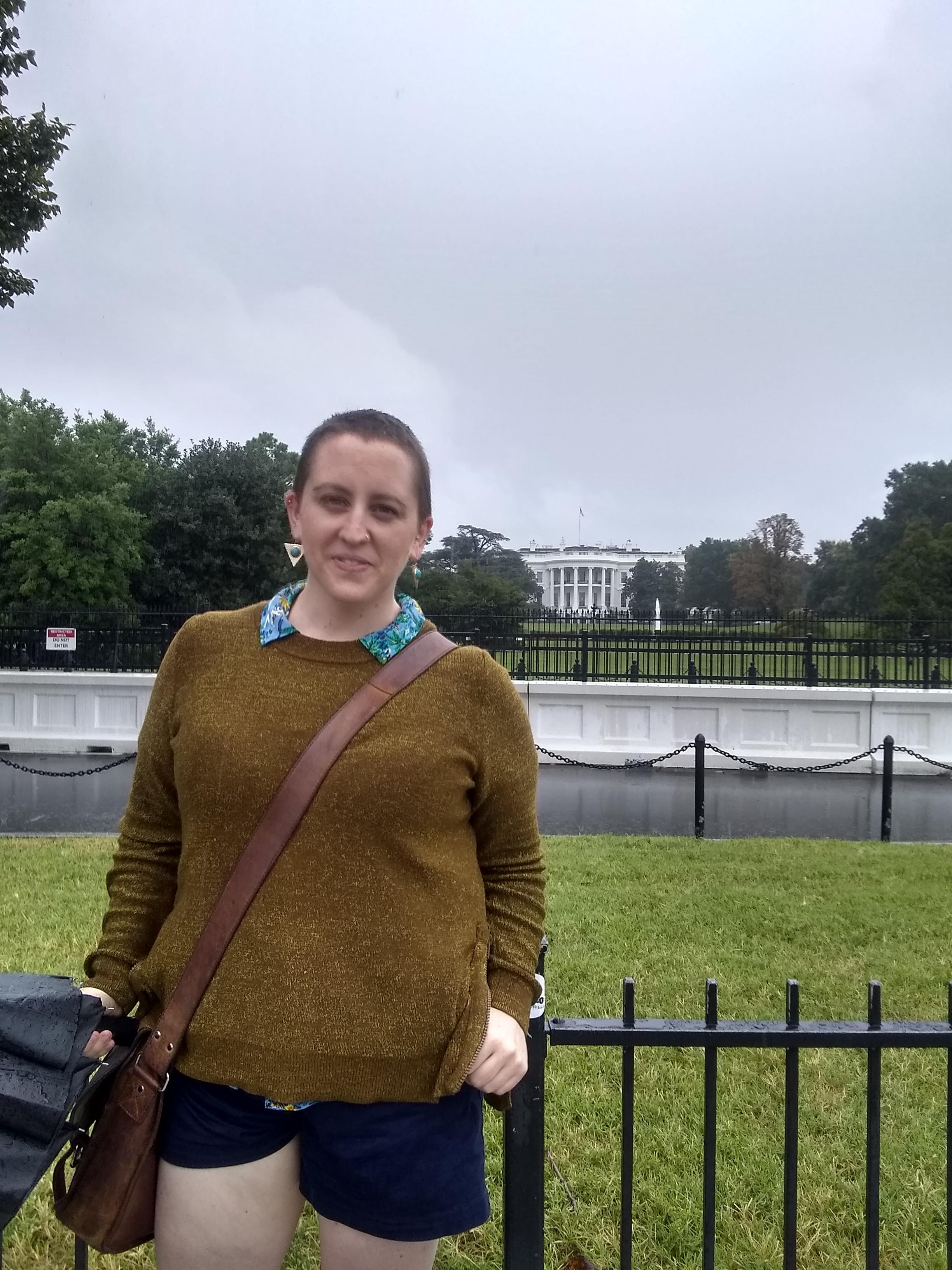
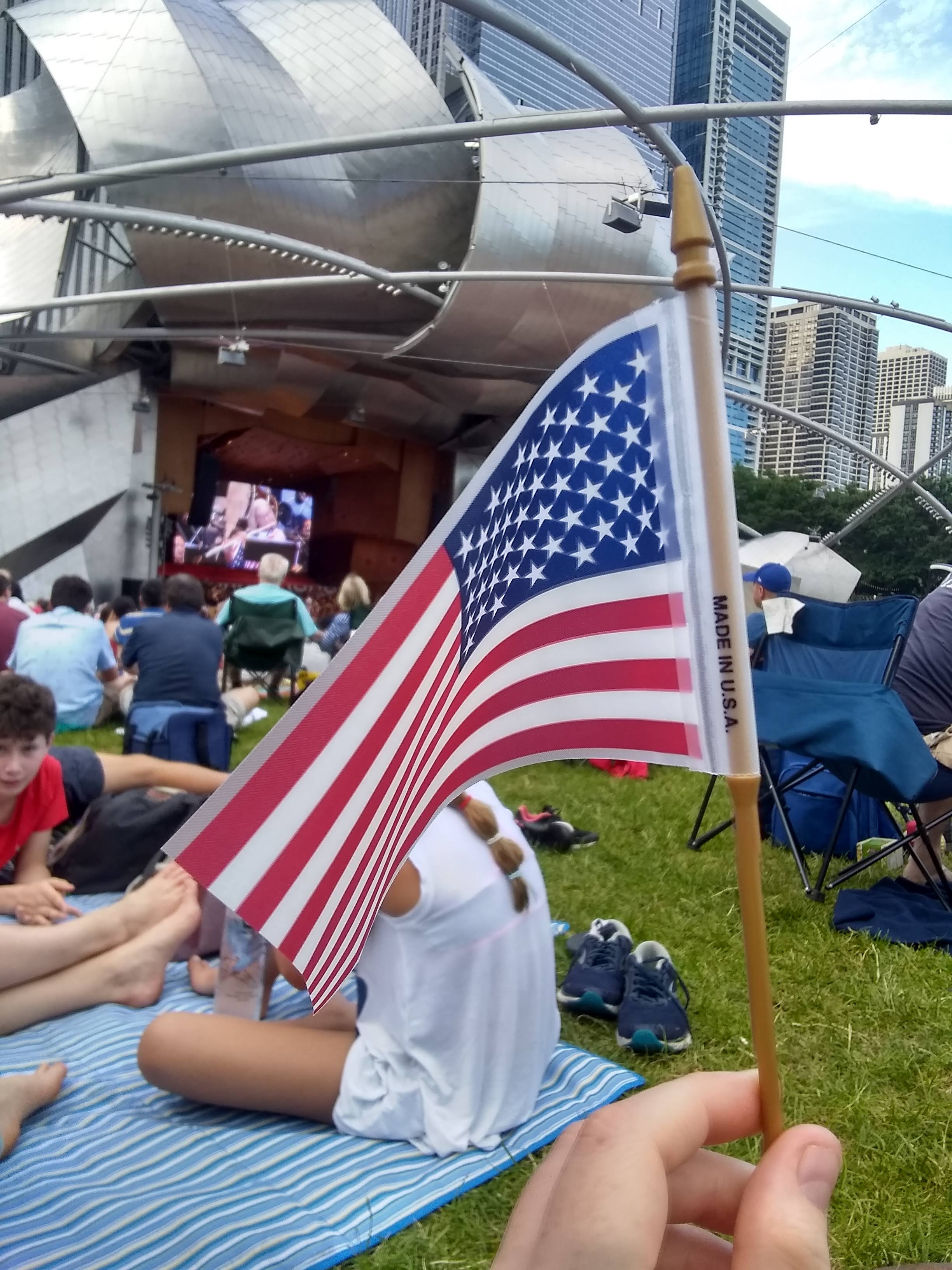
American exceptionalism is the belief that the United States is an extraordinary nation with a special role to play in human history; a nation that is unique and superior (exceptionalism is basically Empire 101, see The Brits – or anyone else who claimed an empire)[2]. And though exceptionalism is seen as coming from a revolutionary history and the world’s oldest constitution, I believe it was borne of the pioneers’ attempts to reach the Pacific Ocean in the 19th century and the conquer of everything in the way; deserts, mountains, canyons, rivers, native communities, traditions and livelihoods.
In that vein, it might be quite fitting that the highest point in the US, Mount Whitney, can be seen from the lowest, Death Valley, CA.
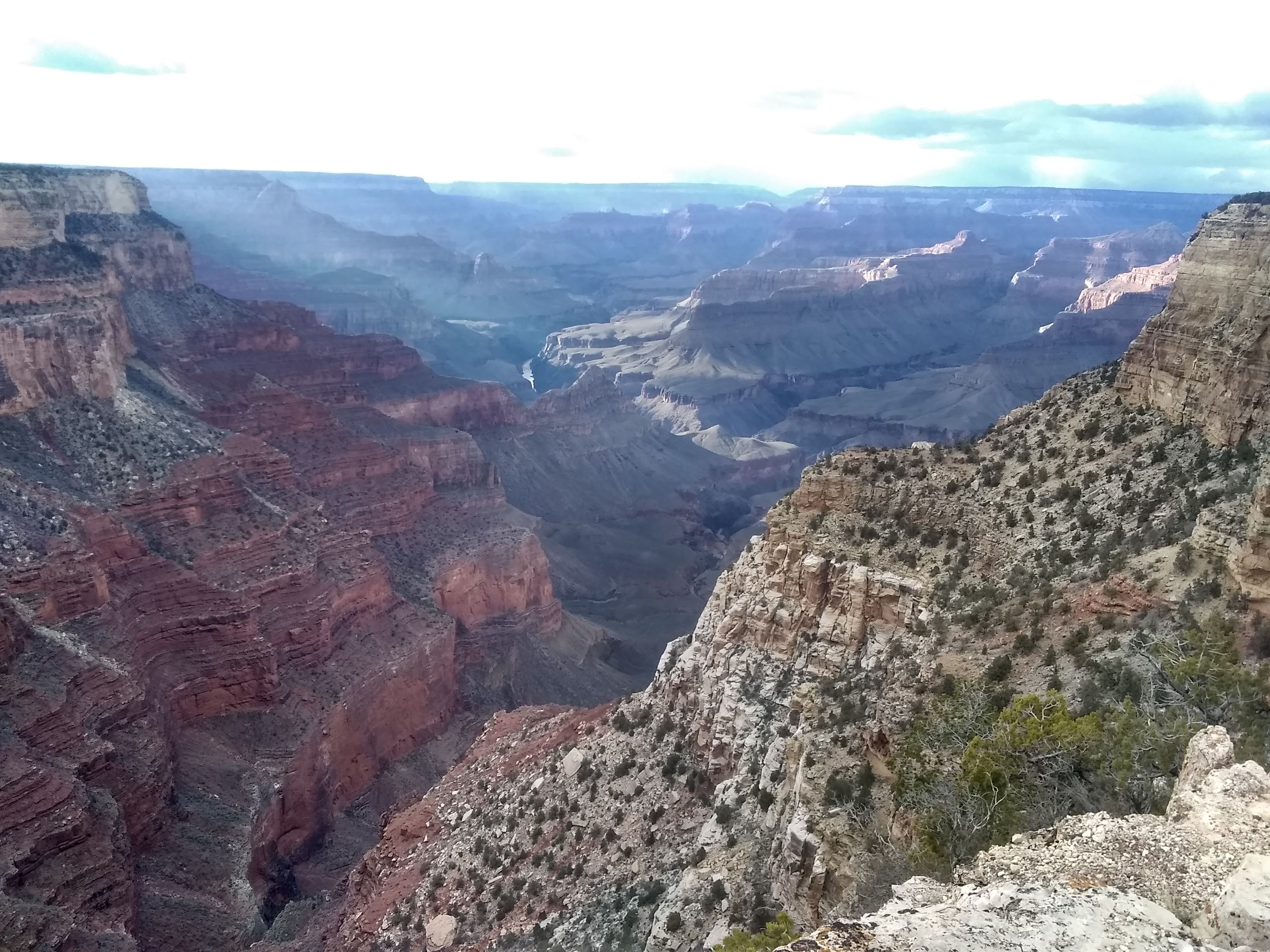
Cynicism could sometimes bog me down, but inspiration flashed when I crossed the mighty Mississippi in Iowa, thousands of miles from where I’d seen it from its New Orleans banks. I stuck my head out a train window to stare, mouth open, at the Sierra Nevada during our seemingly precarious coursing of it. I’d my nose jammed to the window taking in the endless Nebraskan prairies. I woke to the sound of Pacific waves crashing off the shore. I saw the Grand Canyon and for a second stepped through the looking glass, seeing why America had such notions of itself. I stood at Seattle’s pier and saw the ice caps of Mount Olympus and they looked, well, Olympian. I drove through Wisconsin and felt I was seeing autumn for the first time, such was the riot of rustic colour. I walked by Lake Michigan almost every day and pored over maps, in awe of its size.

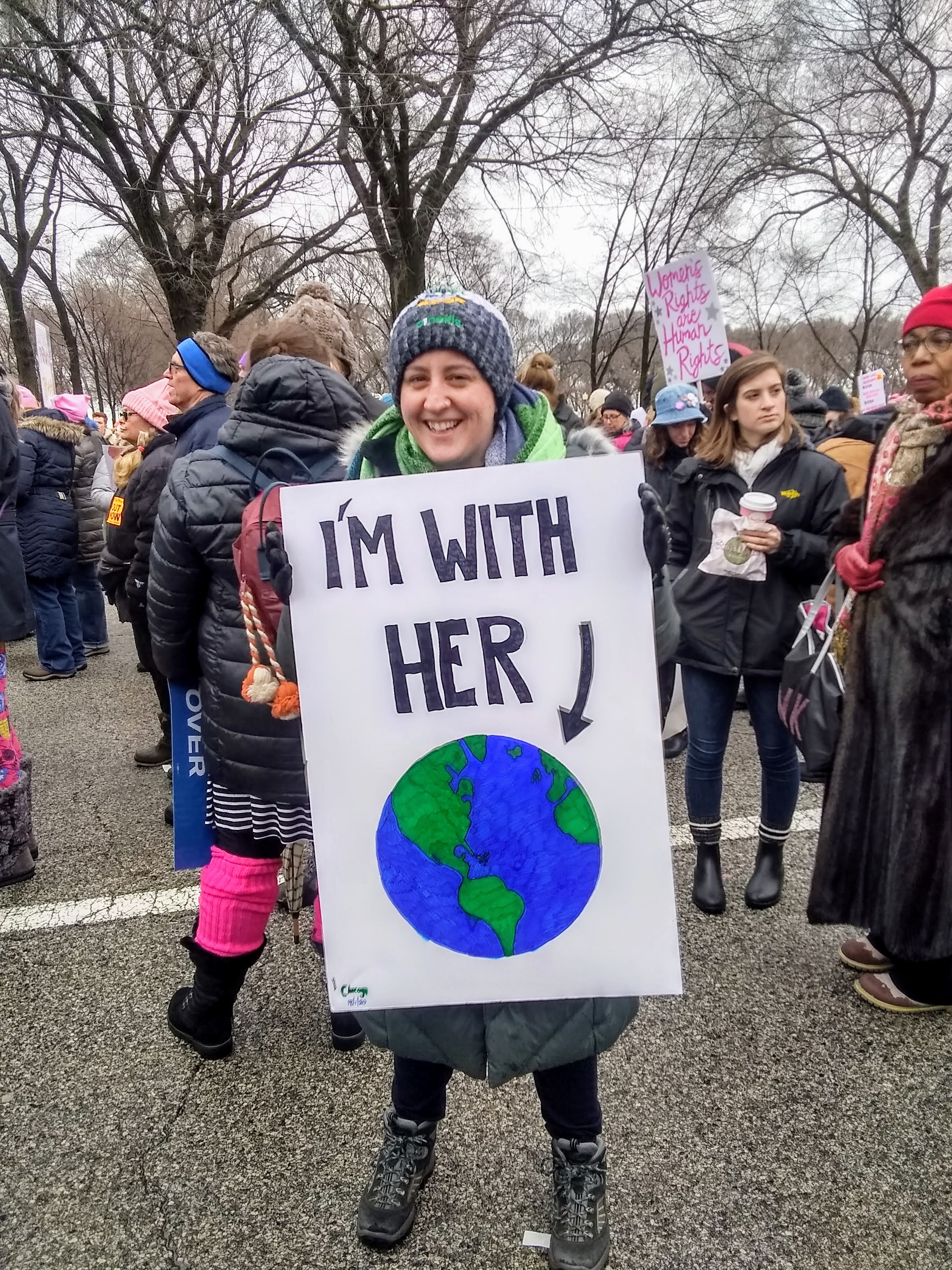
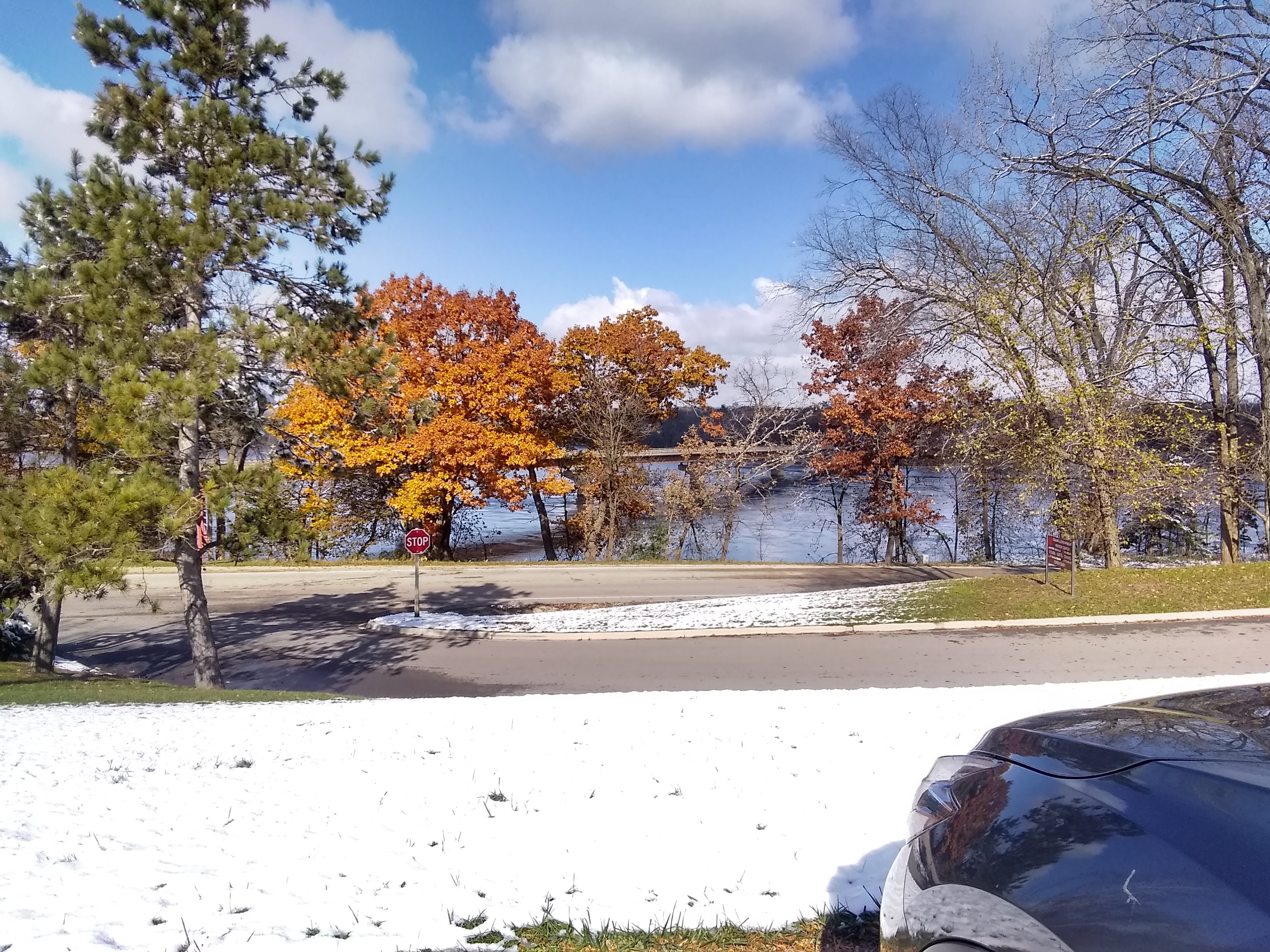
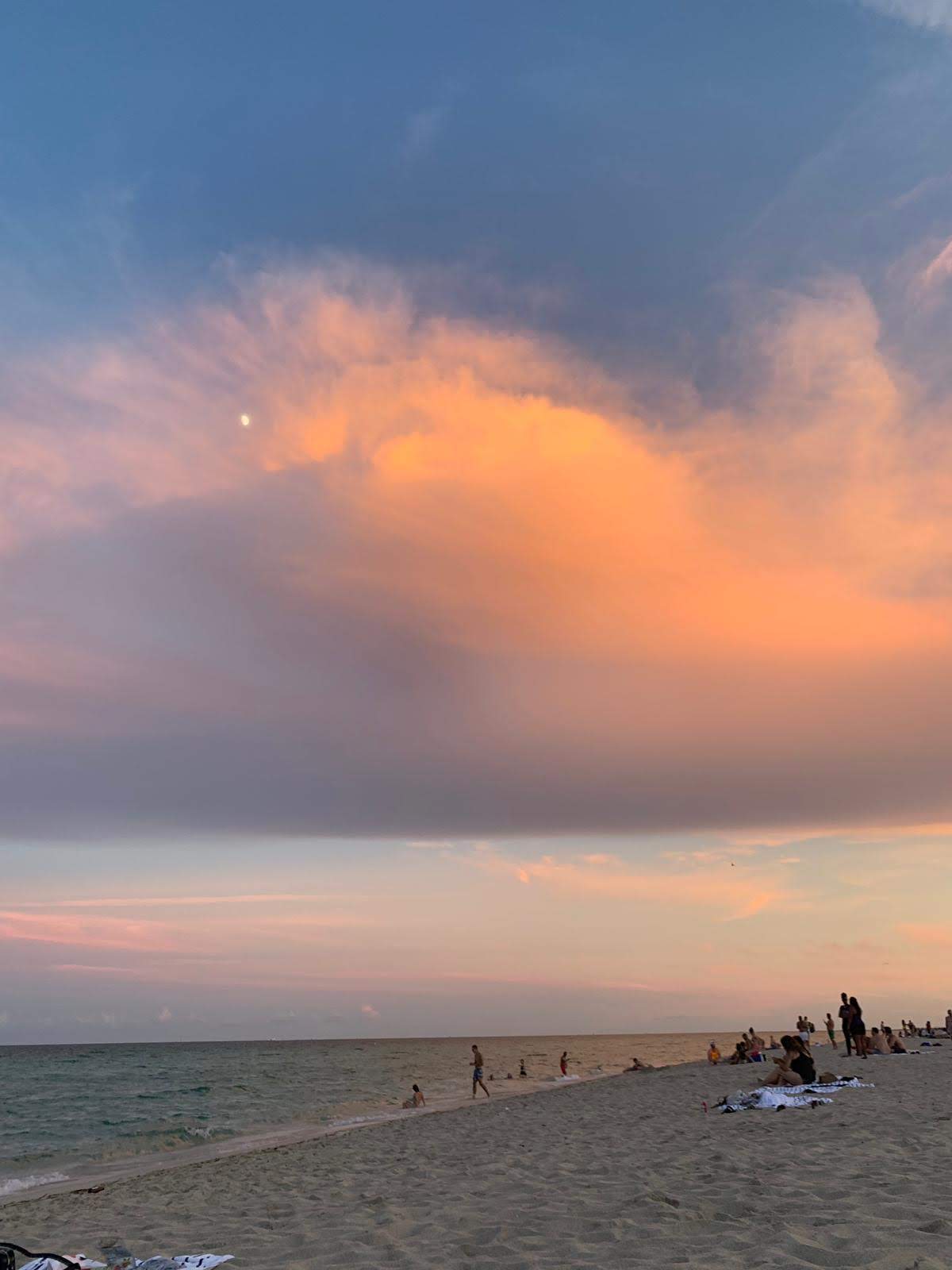
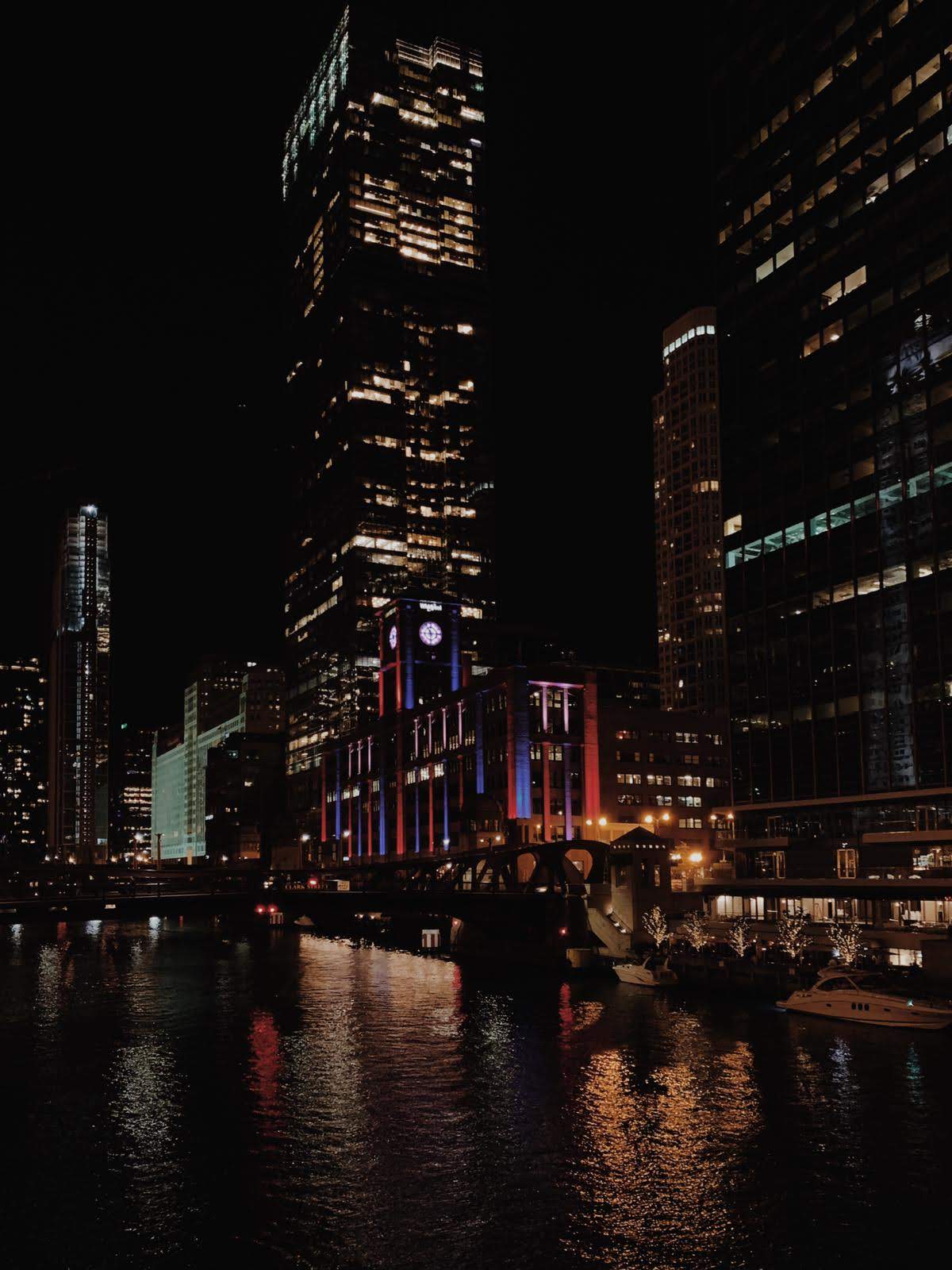
Courtesy of the Chicago Public Library, I read a lot of books by people who didn’t look or sound like me. On my trips and in free time, I visited museums and listened to the stories of people whose experience of America was different from mine. I ploughed through history books, watch a lot of Ken Burns documentaries.
I learned about America’s brush with actual greatness, Franklin Delano Roosevelt’s New Deal. I learned about the heroes of the civil rights movement, about men fighting for freedom abroad only to be refused service at a diner at home.
I saw cycles repeat themselves; how radio’s influence was feared, then television, then the internet and now social media. How Trump’s fear-mongering, divisiveness and media tactics are lifted from a well-worn playbook. How healthcare has been a battle of vested interests since WWII. How there was a time when a minimum wage job could support a family and keep a home. How race touches everything.
America’s current international position is a shock to a country that just thirty years ago – when the Berlin Wall had come down – was the world’s lone superpower, the only show in town.
I learned that 9/11 presented the prospect of war on American soil, which isn’t where American wars were usually fought. That wars on nouns – crime, drugs, terrorism – are rarely won. That simply being American doesn’t cut the mustard anymore or cover over the cracks.
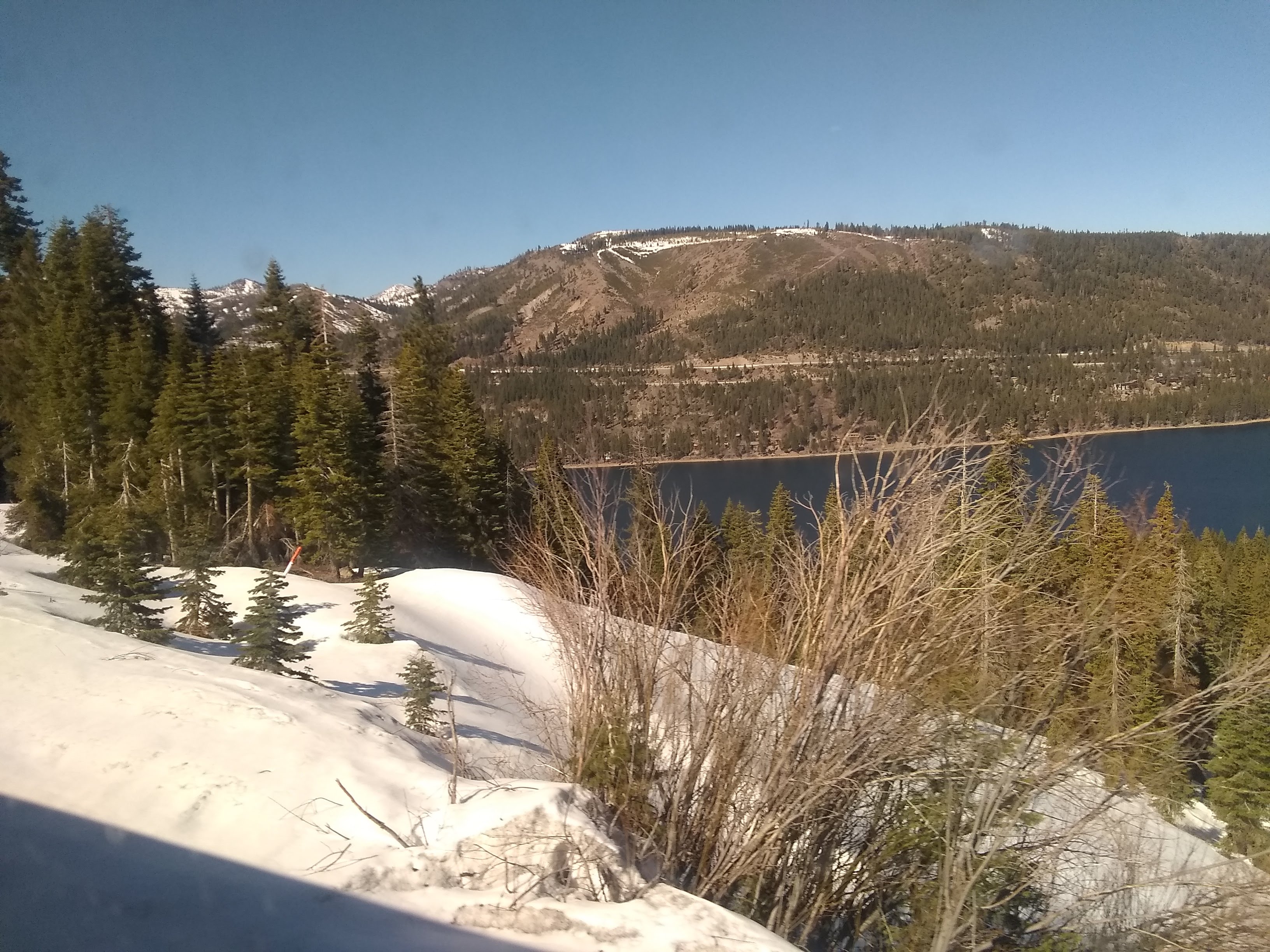
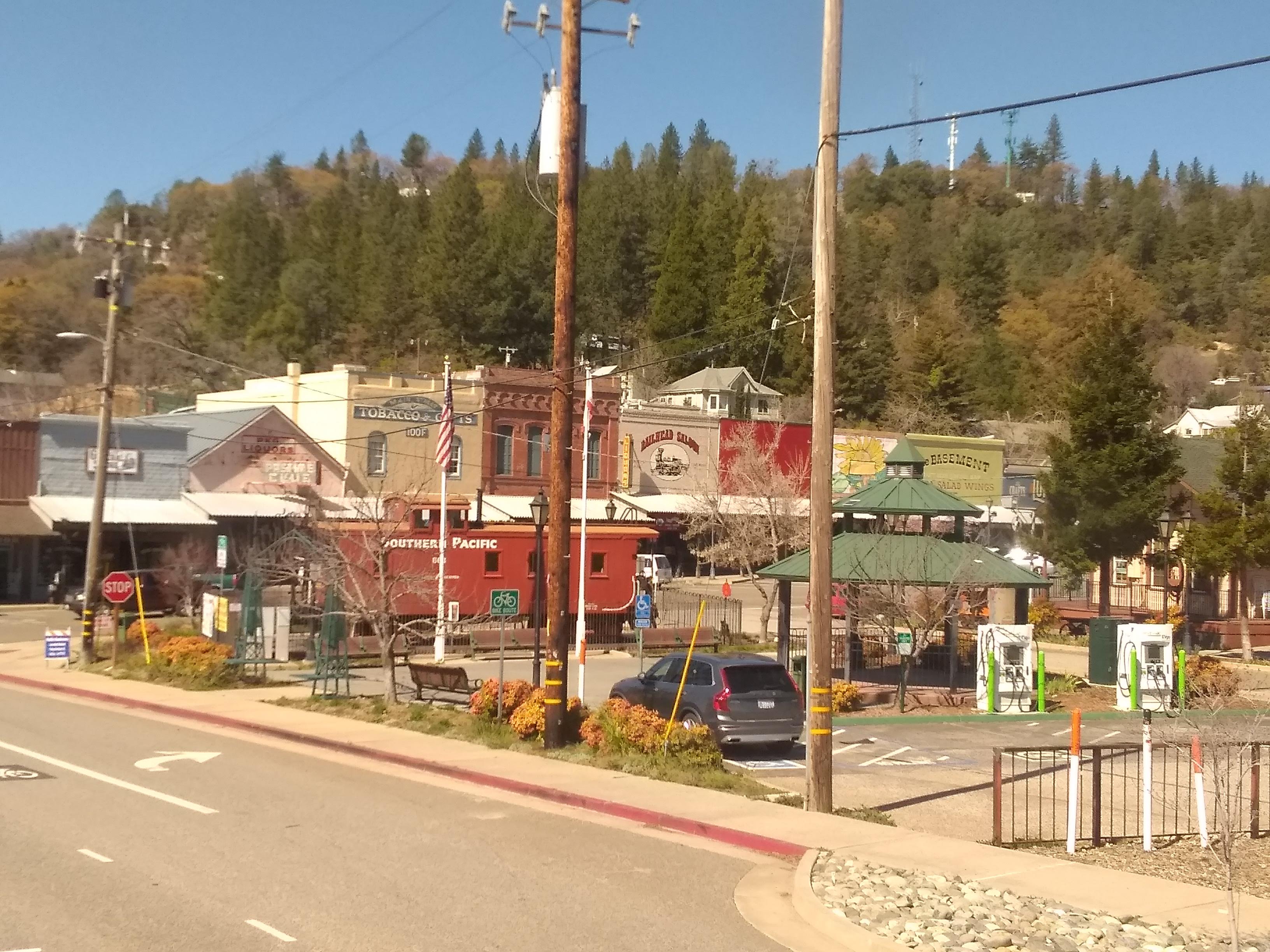
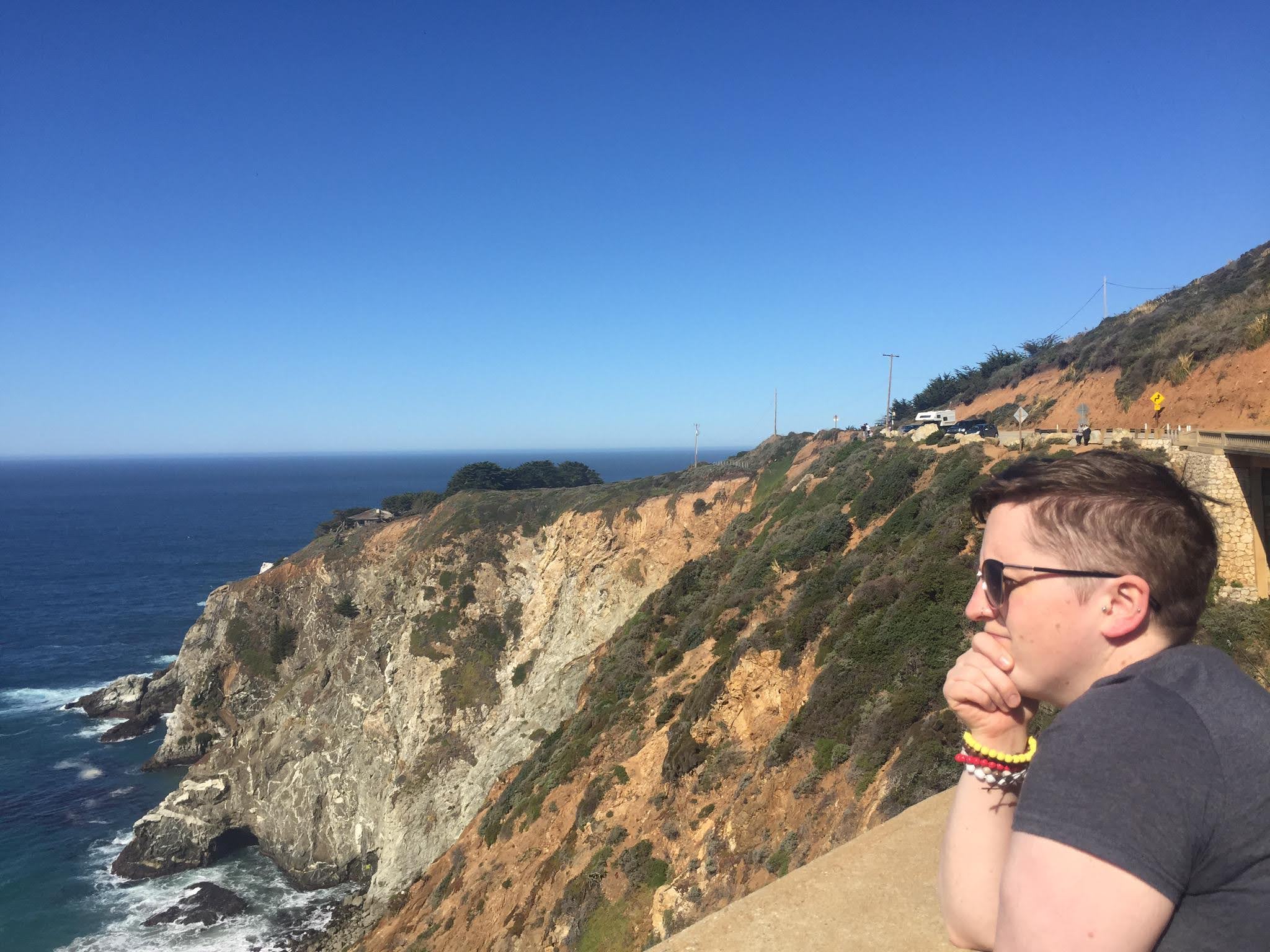

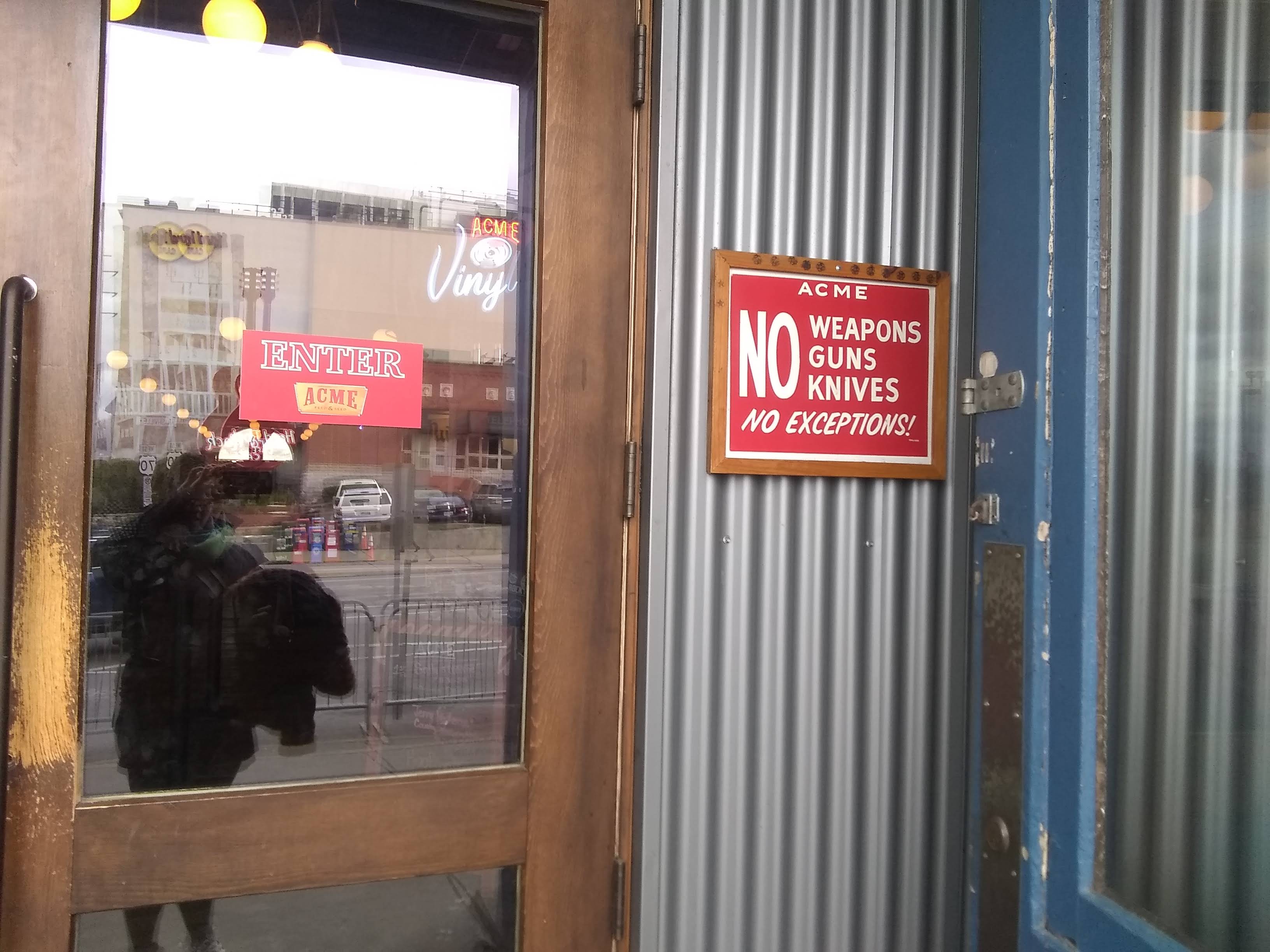
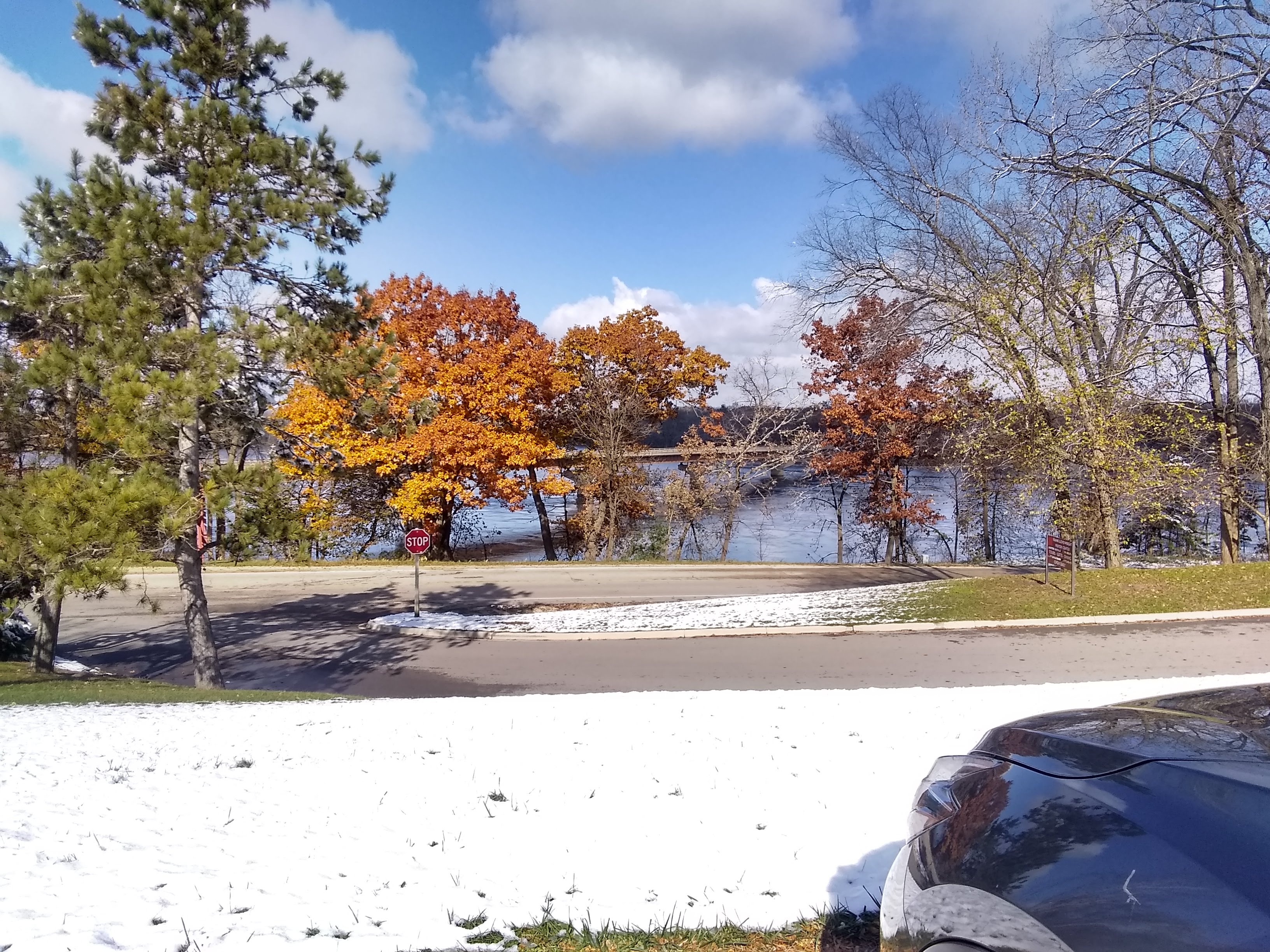
I was so lucky. I lucked-out on the flawed but profitable tipping system and was able to travel across America at this important time and see so much of it, to see it for myself. America’s so much more than we’re shown. It’s prairies, sprawl, trailer parks, skyscrapers, deserts, snow-capped mountains, mansions, farmhouses, Mardi Gras, people on buses, nuclear reactors, town halls, throbbing crowds and silent towns, and much more than we’ll ever get our head around.
I can’t wait to go back.
[1] ‘Watching the U.S. Election While Irish‘, New York Times, 13 November 2020
[2] ‘Exceptionalism’, Trevor B. McCrisken, http://www.americanforeignrelations.com. Urban Dictionary has less, eh, ‘nuanced’ definition of American exceptionalism here.
Follow me on Twitter, I’m great craic. Click here to go back to the homepage and browse nearly sixty other blogposts. Or if you’re not on social media, just Google Doireann in America and you’ll find the site. Or sign up to get them emailed to you!

 doireann.ie