
There’s really only so much that I can write about sitting around west Roscommon in the midst of this pandemic, so I figured I’d write one of the pieces I meant to write while I was in America. This one is about the trip to Little Rock, Arkansas that I took after Thanksgiving on the way back from Dallas. Here’s what I knew about Little Rock; Markham St. is the main street, the Clinton Presidential Library is there and President Eisenhower had to send in the National Guard to protect the first black students integrating into Little Rock Central High School 1957. I visited loads of ordinary and everyday cities like Little Rock and though few were exceptional, collectively they’d much to teach me about the country I’d just imposed myself upon.
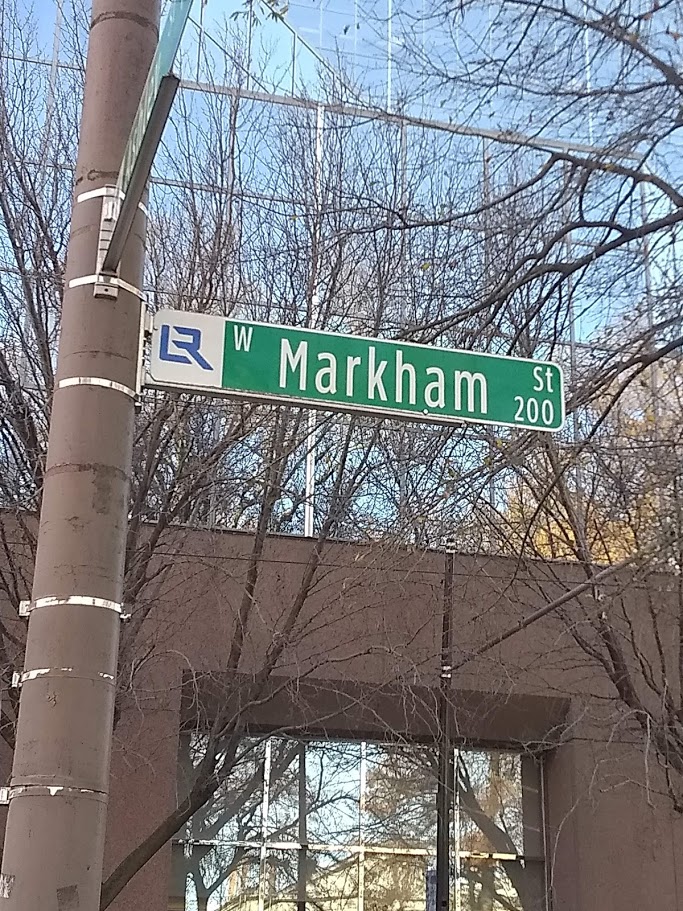
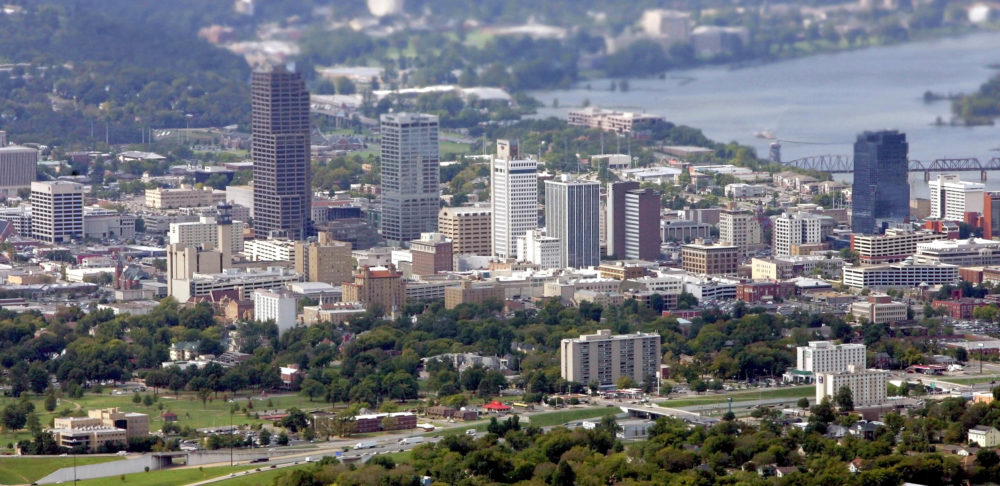

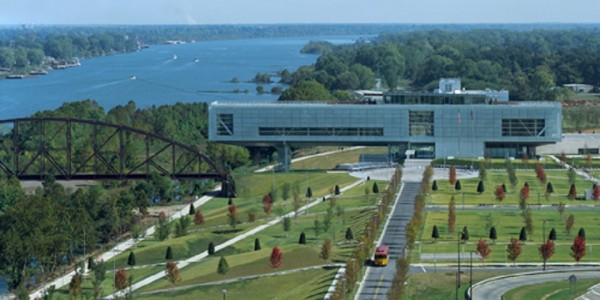
There are many cities in the US like Little Rock; cities that once hummed to the beat of industry and prosperity but were decimated by white flight (“the departure of whites from urban neighborhoods or schools increasingly or predominantly populated by minorities”[1]) and the explosion of suburban mall building in the 1950s. Des Moines, Detroit, Milwaukee, Springfield, El Paso and many others suffered similar fates, and their handful of skyscrapers are today little more than relics of past ambition. Little Rock is a bit bigger than Galway. It works hard with what it has to attract tourists; it has Arkansas’ state capitol building, kilometres of cycling routes along the Arkansas River, the Clinton Presidential Library and the national monument of Little Rock Central High School. It won’t blow you away but it’s grand for aimless rambling and the people seem quite nice. It also had a hostel, a great rarity in the American south. Random chit-chat with tram drivers, waitresses, tour guides and bar staff revealed an easy-going nature, almost Irish in its easiness; when the tramcar broke down the driver whipped out his guitar and started singing! I’d a savage doughnut in Little Rock, and it turns out that the Markhams of Markham-Street-fame were two brothers headed west to stake out a future who passed through Little Rock, got a street named after them and were never heard of again. This wandering Markham found that explanation suitably appealing.
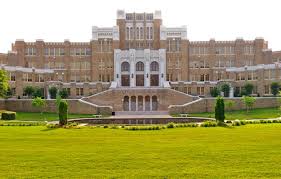
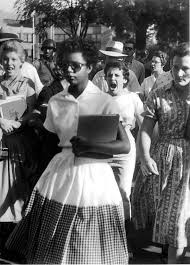
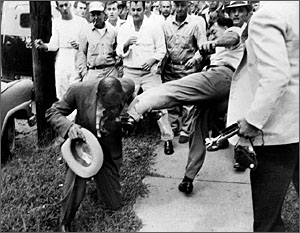
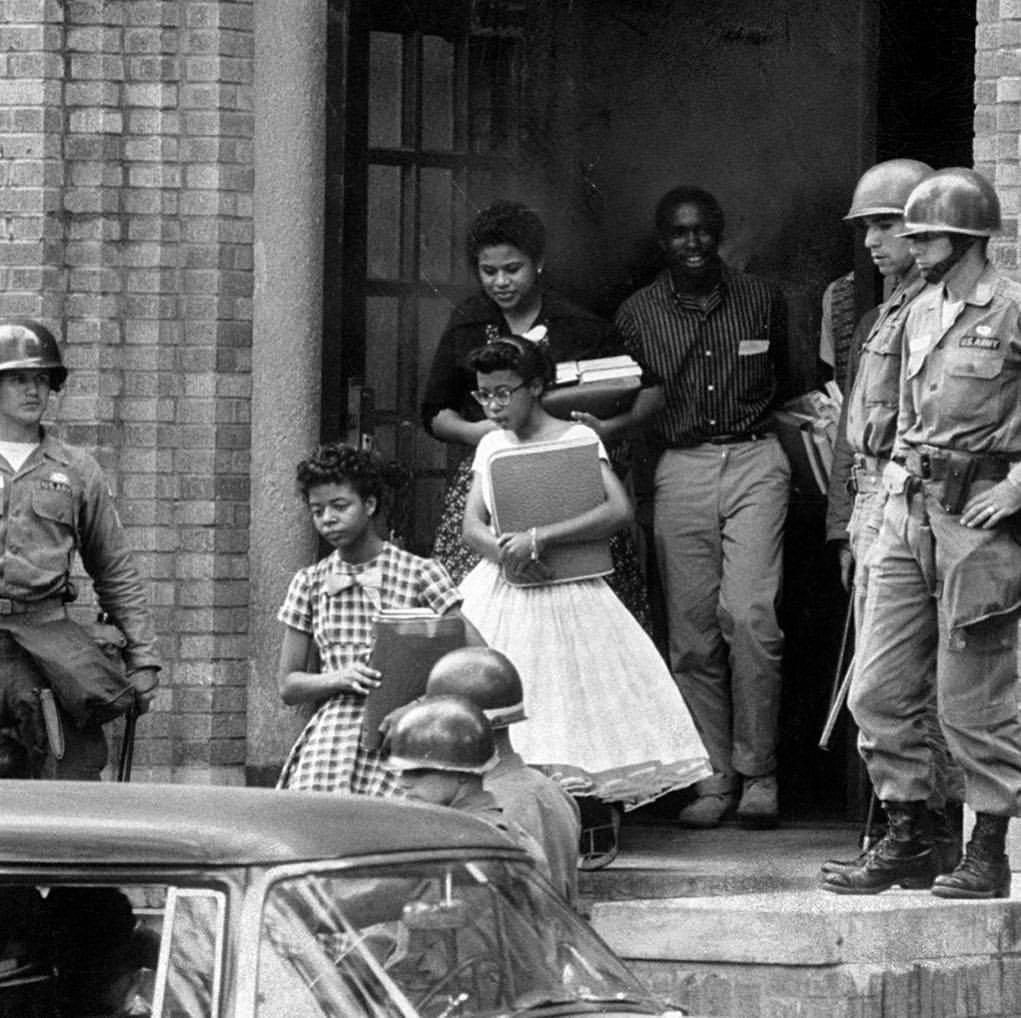
But Little Rock has a dark history, and that dark history is probably why you’ve heard of it. In 1954 the US Supreme Court ruled that separate schools for black and white children were inherently unequal and ordered all schools to start integrating. The governor of Arkansas, Orval Faubus, refused to integrate Little Rock Central High School (LRCHS) in Sept. 1957 and when an armed mob gathered to prevent nine new African American students enrolling, President Eisenhower sent in the National Guard to protect them from the mob that had gathered. Scenes of a white old lady spitting in one of the students’ faces, of white parents screaming venom at the teenagers and the gathering of an armed white mob outside the school were broadcast worldwide. I was told of an attempted bargaining with guards at the school’s door whereby the mob would disperse in exchange for one student to lynch (hanging by self-appointed commissions, mobs, or vigilantes). I asked various guides if there were consequences for those captured on camera in vitriolic hysteria, were they ostracized by their neighbors? They weren’t, and many live there today. Orval Faubus – the governor who had riled up the mob – was re-elected five more times. But here’s the problem; we look today at the awfulness of that event back then, of the injustice and racism but do we heed its lessons? I’m not convinced there’s much of a difference between Little Rock in 1957 and the attacking of Direct Provision centers in 2019, and the nice-sounding justifications offered by locals then and now to justify keeping people out. We’ve seen local candidates exploit such fears to get elected, like Governor Faubus did (he’s widely recognized as having started this whole thing not from racial prejudice but to bolster his political career[1]). His political gain was Little Rock’s loss; in the early 1950s the city was neck-and-neck with Atlanta to be the main city of the south, but what happened in 1957 turned many corporations and families off association with Little Rock, with many choosing to locate in Atlanta instead. And the nine students? Though they endured horrific bullying (acid thrown in one’s face, tissues set alight and thrown into cubicles, beatings etc.), they all attended LRCHS for at least a year and all nine went on to achieve Masters’ degrees.
Thank God for the Clintons! If it wasn’t for them, we’d probably only have that one pretty awful reason to know of Little Rock. All the presidents since FDR have their own presidential libraries and these libraries attract hundreds of thousands of visitors annually. Having lived in Little Rock for years, the Clintons chose to locate the Clinton Presidential Library there. Researchers can view the Clintons’ papers from Bill’s presidency and like the other libraries, there’s a flashy visitors’ center to tell you how great a president he was. Now, you wouldn’t want to base your view of Clinton on what you read in the shrine to Clinton but even with such skepticism, the America of the Clintons is a world away from the America of today – though it happened well within my lifetime. Back then, America was the only superpower, the world’s economic powerhouse on the cusp of unleashing the internet and buoyant from recent intervention in Iraq. Within thirty – or even, perhaps, ten – years all has changed, and I think the speed of that transformation partly accounts for where America is today. (Expect a blog soon on the fall from the early nineties and what that’s got to do with contemporary American outlook). I was so interested in everything I read that I went back a second day so yeah, three days in Little Rock and two of them spent in the Bill Clinton Presidential Library and Museum marveling at the nineties. I’m not the only one; the library has attracted 1.6 million visitors since its opening, though maybe that’s 800,000 that went again the following day….
I took loads of long journeys to cities that I’d barely heard of, cities that I’d never bother with if I was on my holidays and I couldn’t recommend them all but if you’re ever in the area, do stop off at Little Rock. We all need that tour of Little Rock Central High School to remind us of what the whipping up of hatred does, and where such efforts lead. Those smaller, lesser-known cities gave me a chance to lightly scratch beneath the surface of the America we are shown, and to develop a better idea of what life is really like for the millions of Americans who don’t live in the likes of New York, Houston, Chicago, Los Angeles. And sure even if I’m none the wiser, I ate some serious doughnuts.
[1] Merriman Webster
[2] The Atlantic, May 1998, ‘Faubus: The Life and Times of an American Prodigal’

 doireann.ie
Thank you for the tour. The blue on your photos are so refreshing, too. Means more when we are all just inside because of the quarantine.
LikeLike
Thanks folks, very kind of you! Stay safe
LikeLike