
California is everything. From the coastal majesty of Big Sur to the spellbinding Death Valley and all in between, there’s no better place to appreciate our insignificance in the natural world. In just a week we soared high above canyons and drove their floors, we gazed at snow in shorts and t-shirts, we feasted our eyes upon the driest spot on earth and the infinity of the Pacific Ocean within hours of each other, and countless other contrasts. It is America’s rugged landscape that inspires its perception of greatness, of its exceptionalism, and America’s popular (white) history is grounded in tales of those seeking to conquer it. There’s little to be indifferent to; everything is sweeping, sprawling, soaring, shimmering. California is everything.
We rented a modest size jeep, but got an obnoxiously large Ford Excursion instead. So though I’m extolling the virtues of nature I saw it from an embarrassing lump of a gas guzzler. Mortified.
Cards on the table.
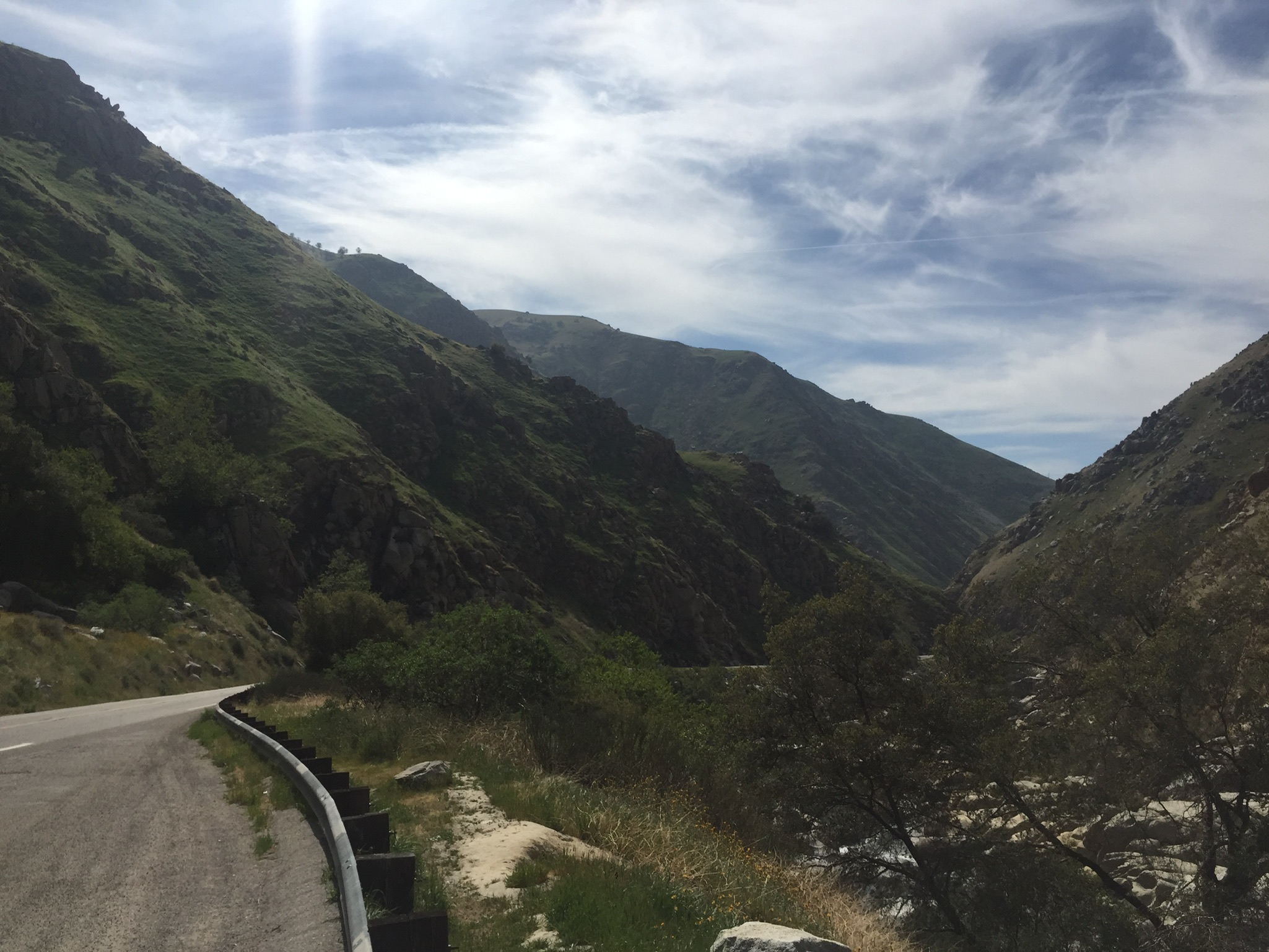
It’s a land of contrasts, a chunk of everything. Highway 1 stretches down 656 miles of Pacific coastline, though we only went from Monterey down to Morro Bay. That route is a road, built only in the 1920s or 1930s, carved out of the foot of the Santa Lucia Mountains – with the lush greenery of a mountain range to the left and the stunning coral of the Pacific to the right. Bridges, marvels of engineering, stretch across canyons whose floors are lost to forests of sequoia below. Our route wasn’t all that long, but every vista point was irresistible, which meant it took us ages to drive. And that was largely how California was; eyes on stalks for fear of missing wonder, often a complete contrast to what was seen just an hour ago. Wednesday saw us in Death Valley, the hottest, driest and lowest place in America where salt emerges from what was once a lake but Thursday saw us driving through the abundance of Sequoia National Park where trees as tall as the Statue of Liberty grow in their thousands. At sunset in Death Valley, we could see both the lowest and highest points in the contiguous United States; Badwater in Death Valley (282ft below sea level) and Mt. Whitney in the Sierra Nevada. We wore t-shirts and shorts but were rarely out of view of snowcapped mountains. I never knew soil could be so many colours; turmeric, chocolate brown, sand, terracotta red, purple and the pinked mountainsides of the Rockies. In the one day we drove to heights of 5000 ft, before spending five hours driving endless flat highway. Even in politics, California contrasts; San Francisco is perhaps the most liberal city in the United States, yet rural California boasts its fair share of Trump2020 flags outside houses.
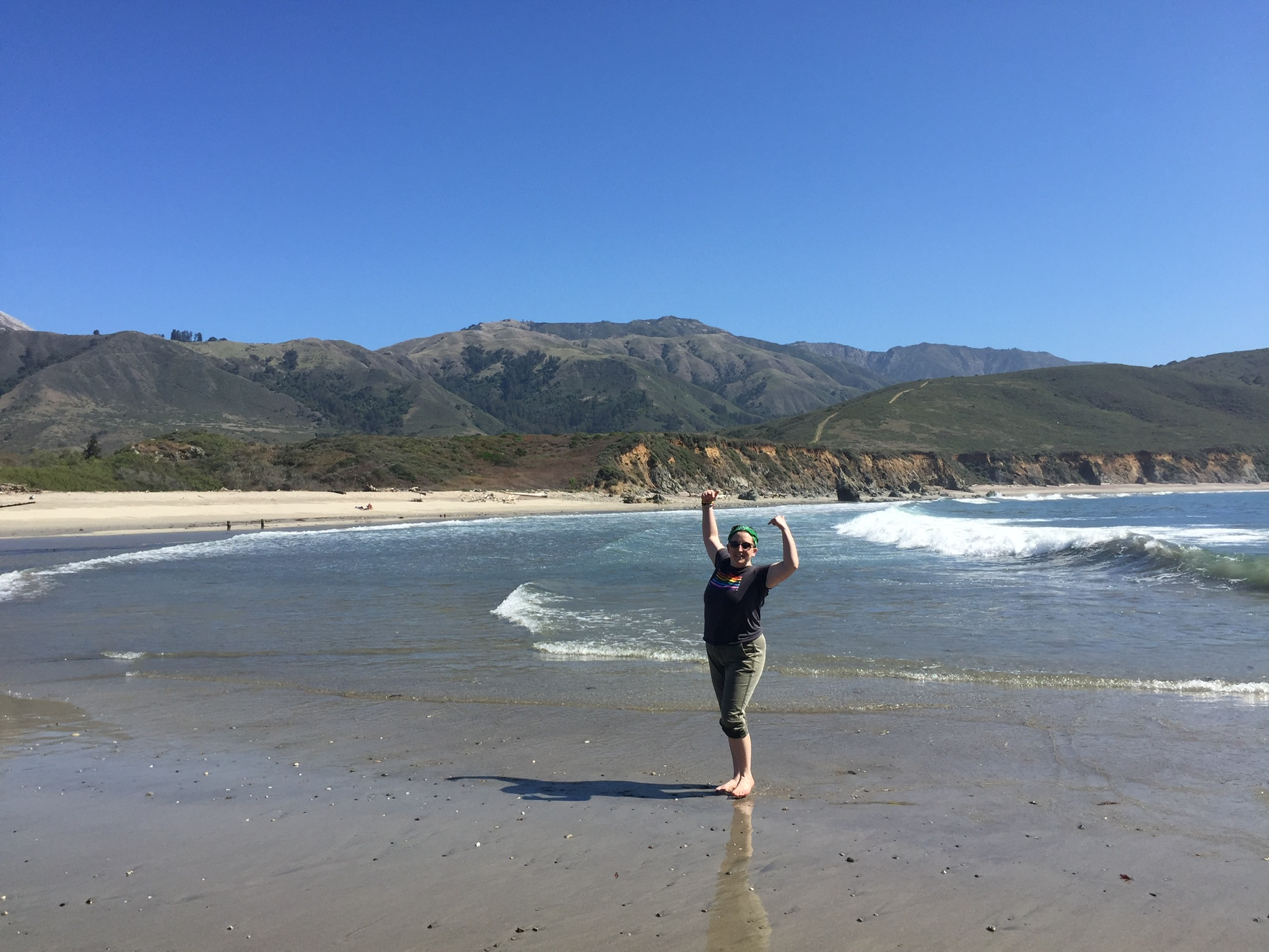
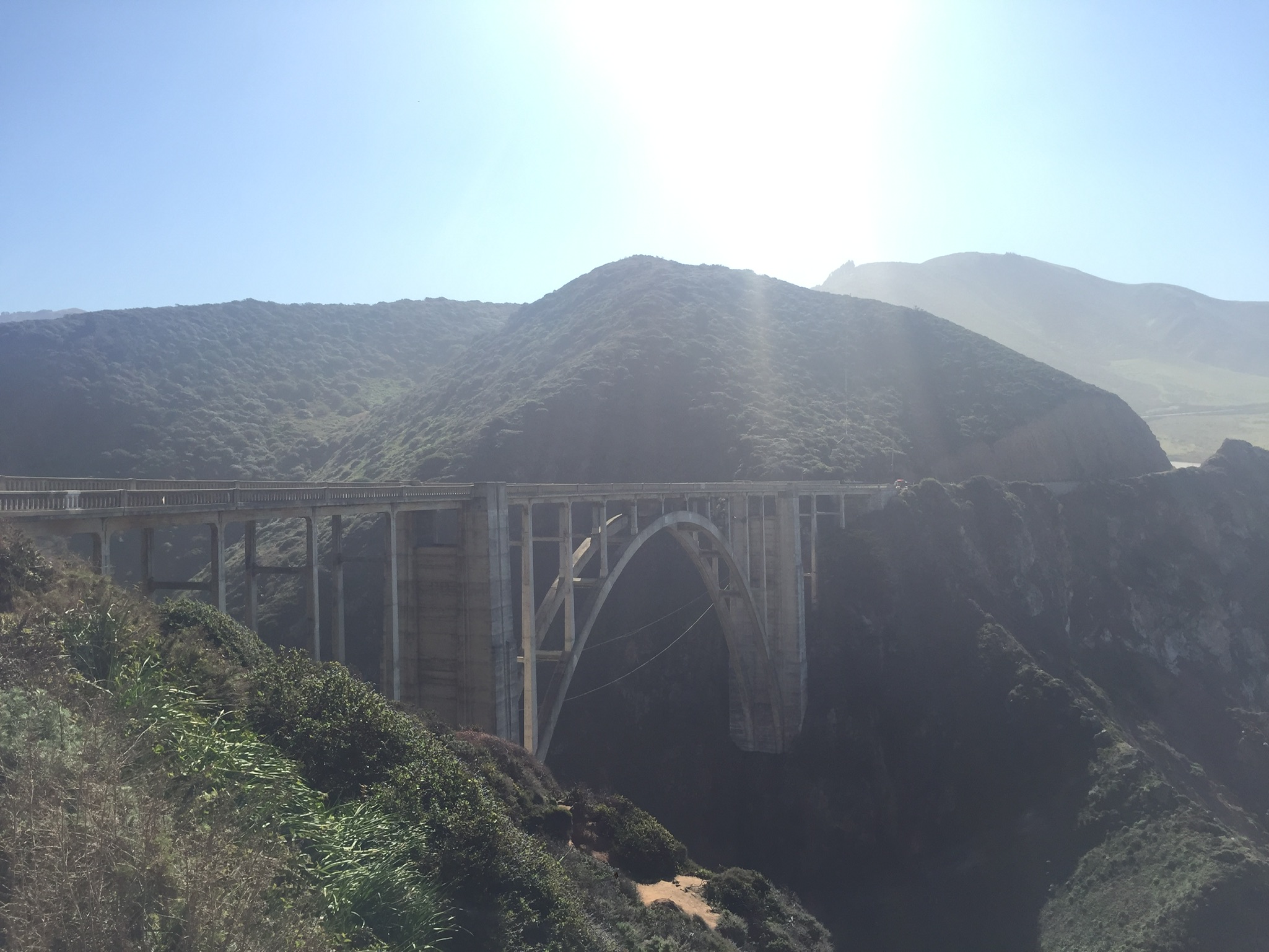
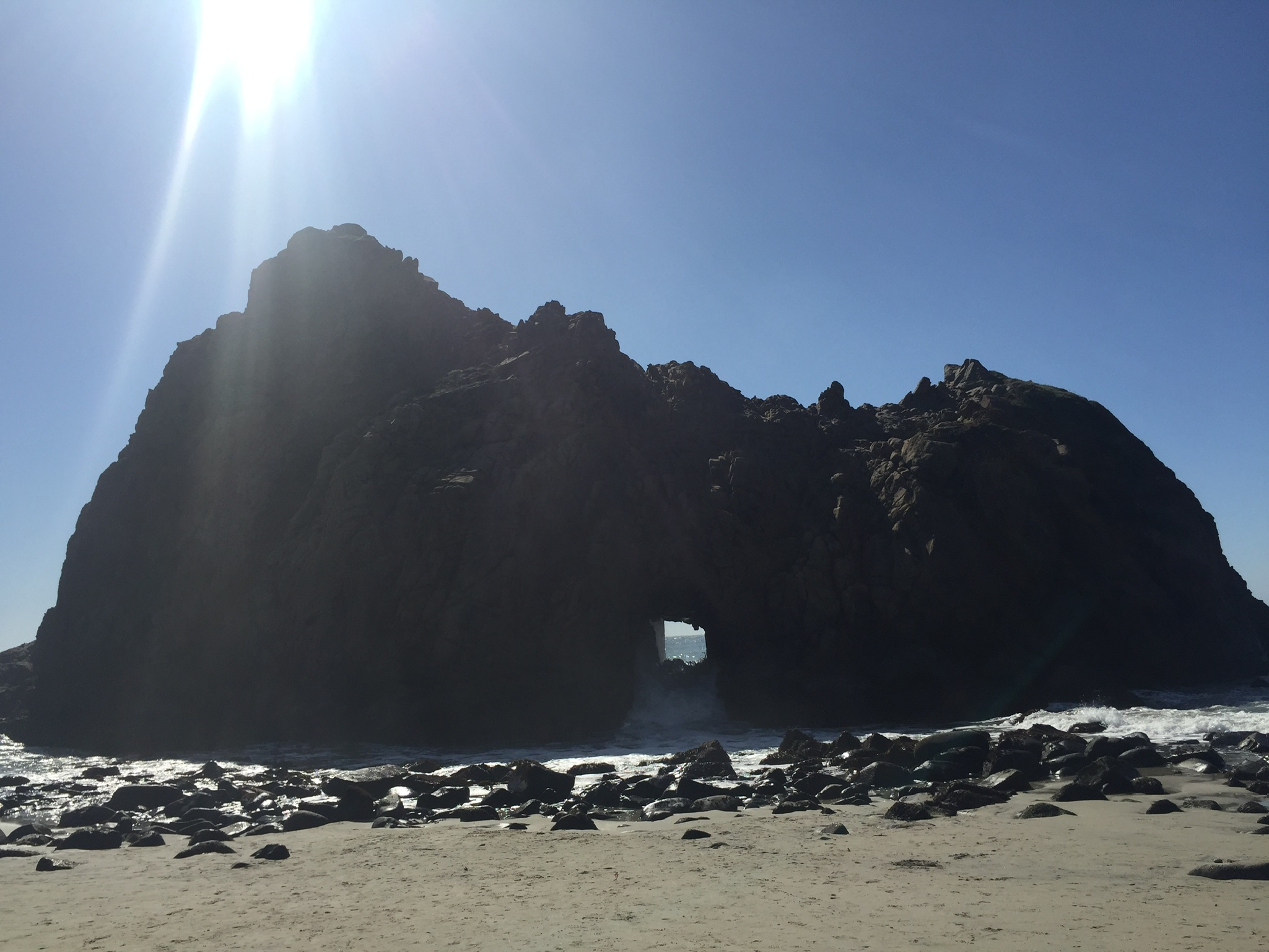
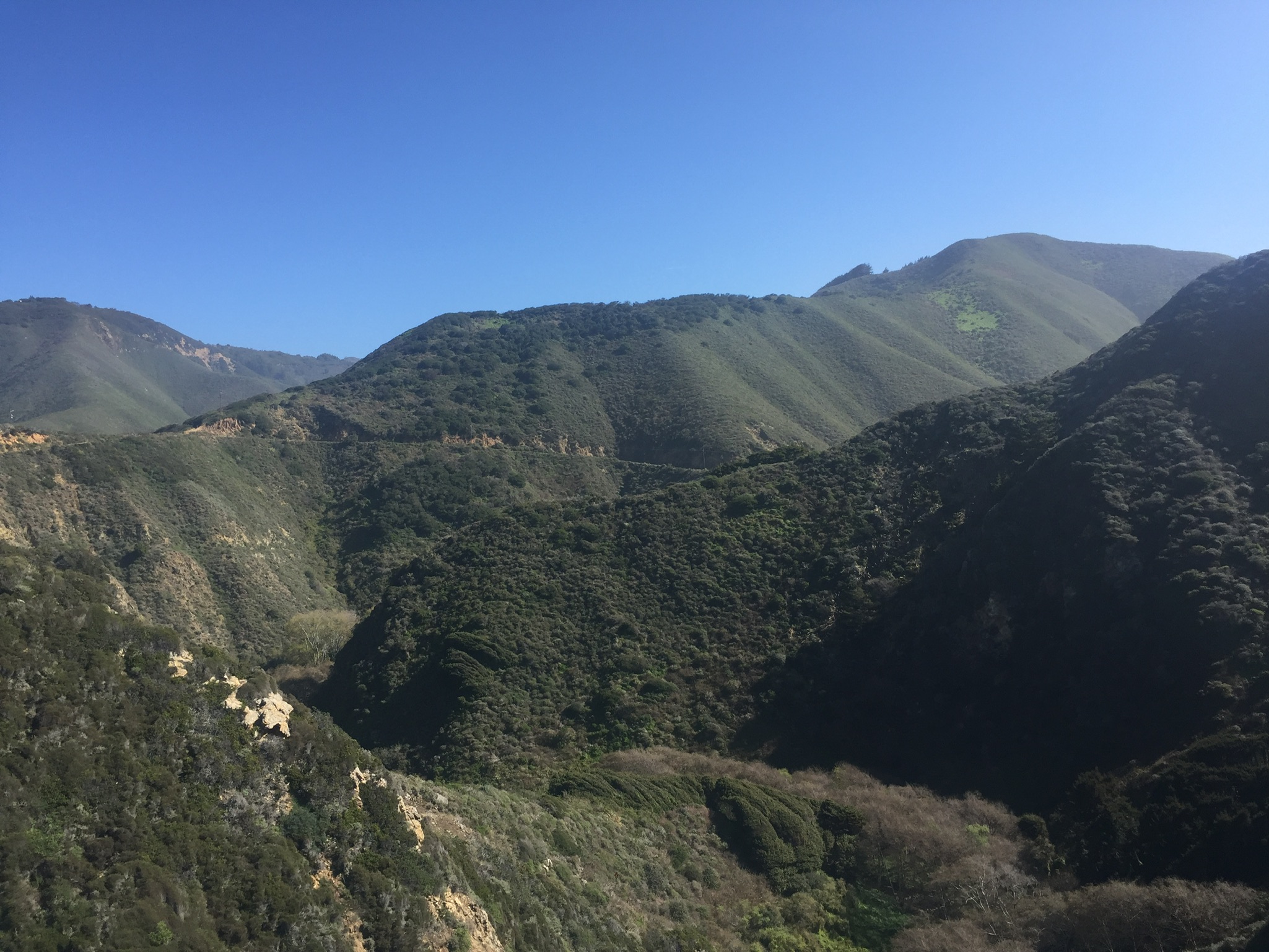
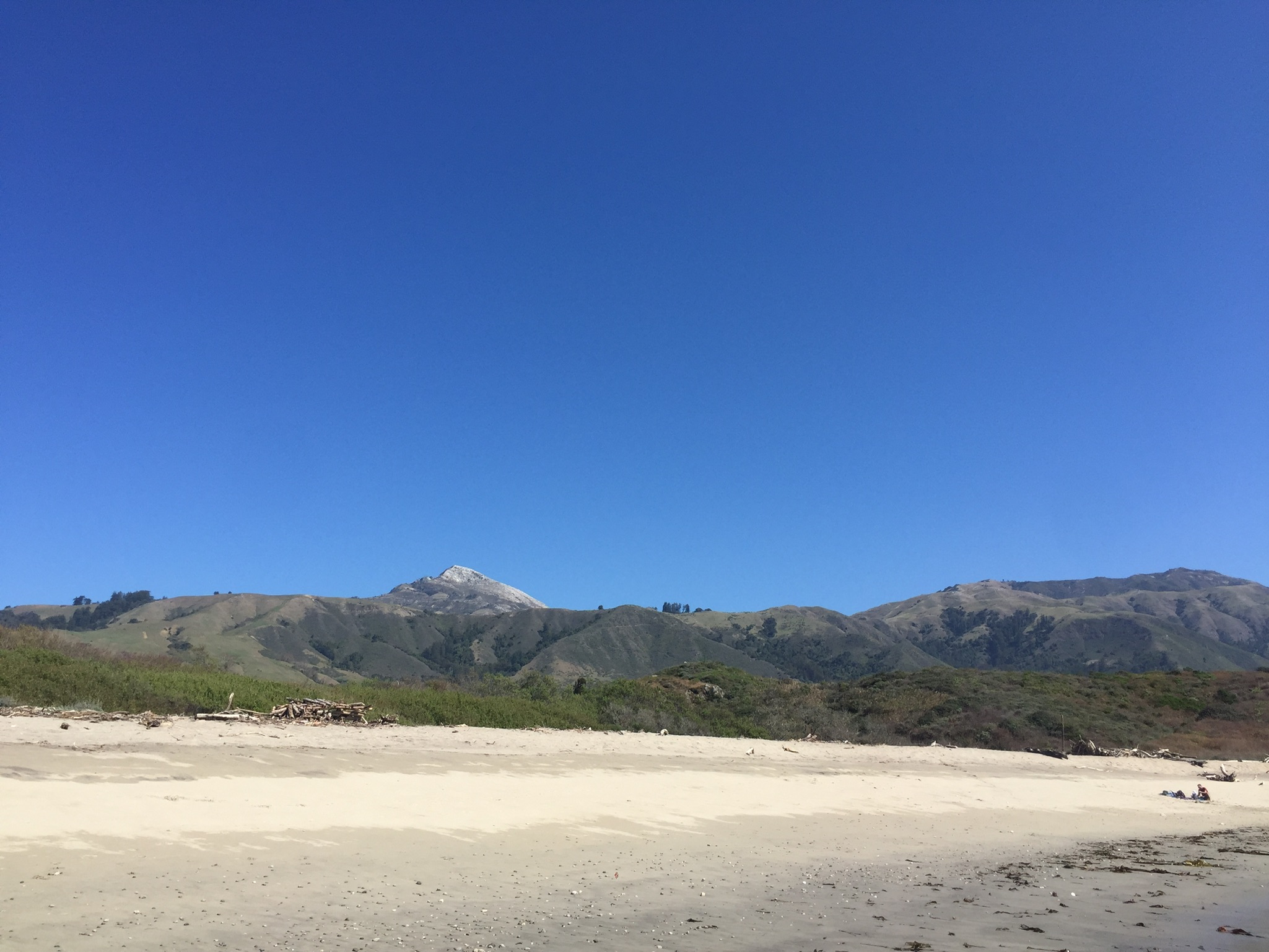
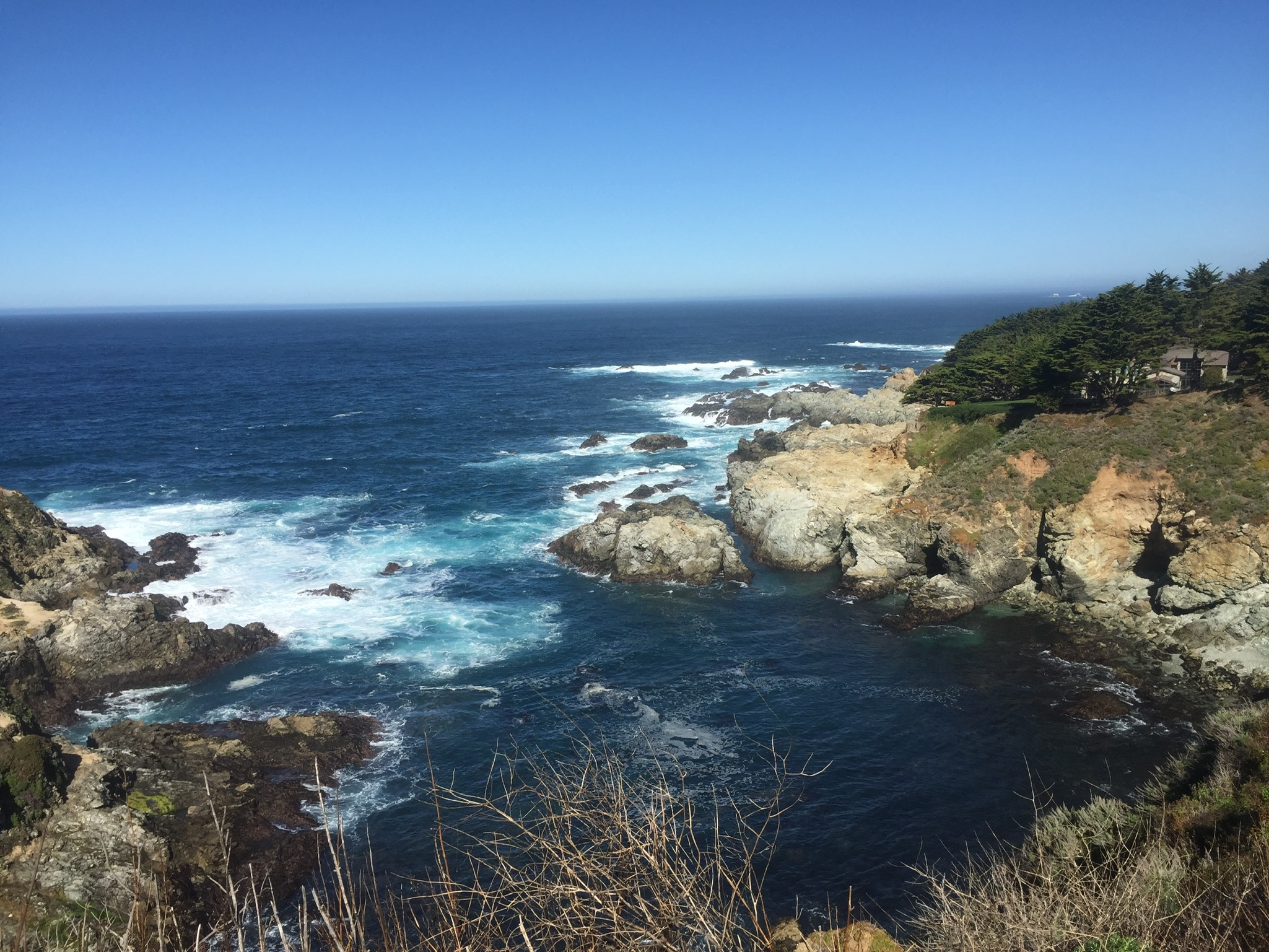
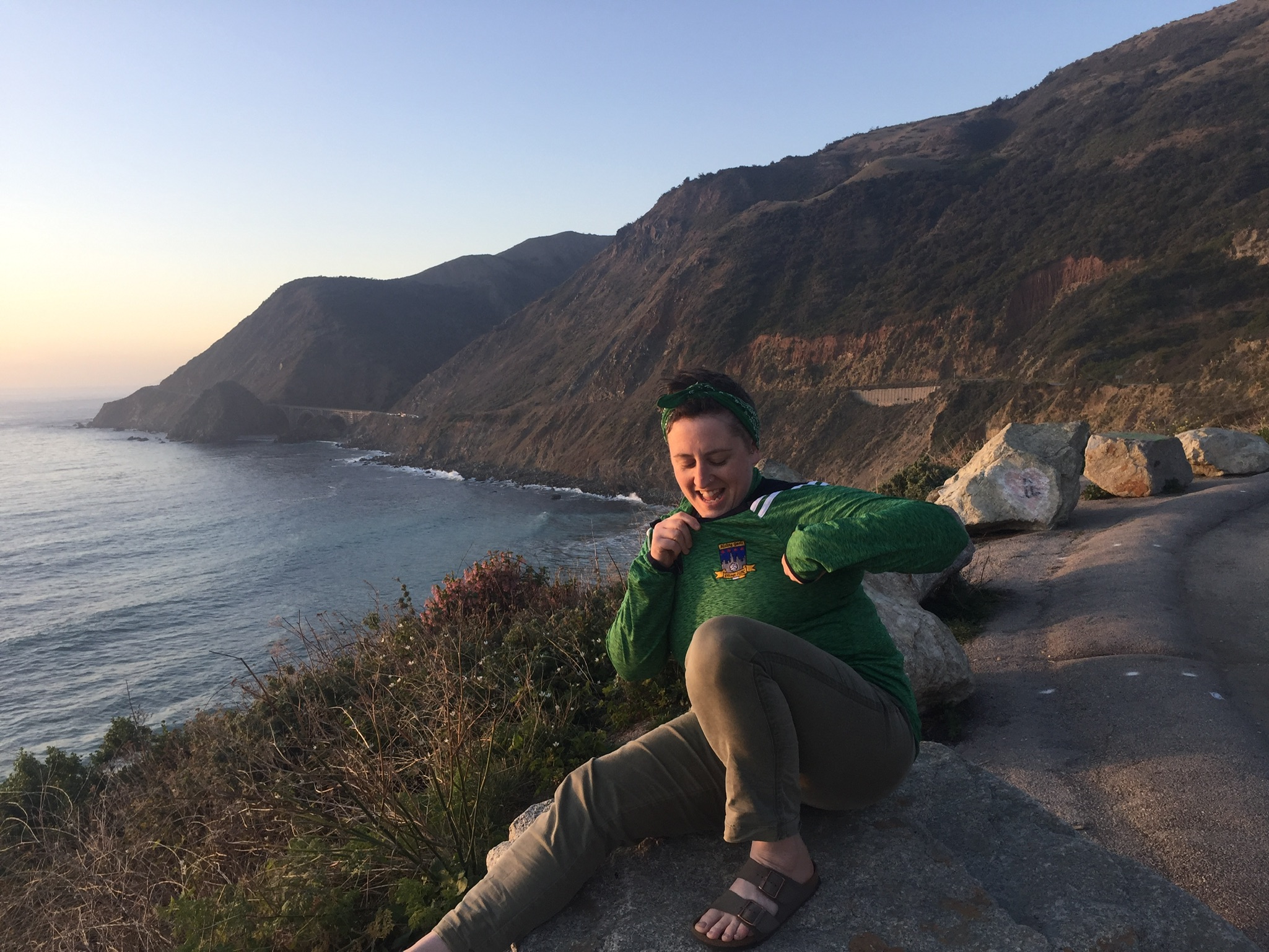
Popular history in America begins with the white man’s arrival, though that version is akin to starting Ireland’s history in the 1580s with plantation of Munster – as if there was nothing doing before the colonists came. The history we get today as tourists is all about the intrepidness of those early pioneers who braved nature’s colossus to settle California or search for gold. You can see the legacy of that pioneering spirit in the carving of Highway One out of a mountain and some of the world’s largest single-span bridges that span its canyons. It can be seen too on the railroad to Denver that reaches 8555ft over sea-level as it winds in and out the Sierra Nevada. But though the innovation and romance of Manifest Destiny is writ large across California, that spirit of pioneering and conquering nature was often mere exploitation – exploitation that we’re likely still guilty of today. Giant Sequoia trees can grow taller than a 22-storey building, their bases wide enough to hold 40 adults, but such is their weight that they shatter when they fall so they’re useless for lumber, as anyone would find after knocking the first few. And yet, they were almost felled to extinction in the nineteenth century. Why? Presumably just-because; because someone could, or wanted to prove they could. Similarly, with the hunting to extinction of the buffalo, hunted by Europeans for their skins and tongues with the rest of the animal left behind to decay on the ground. Or the wanton destruction of land in the hunt for gold. Now, nineteenth century hard men had the excuse of thinking nature was infinite and perpetually renewing, but I thought a lot about what we’re pulling out of the ground in 2020, not for survival but because we can; fracking perhaps being the primary example. Seeing it from the hindsight of a hundred years and more, really got me wondering if my grandchildren would look similarly on our just-because actions today.
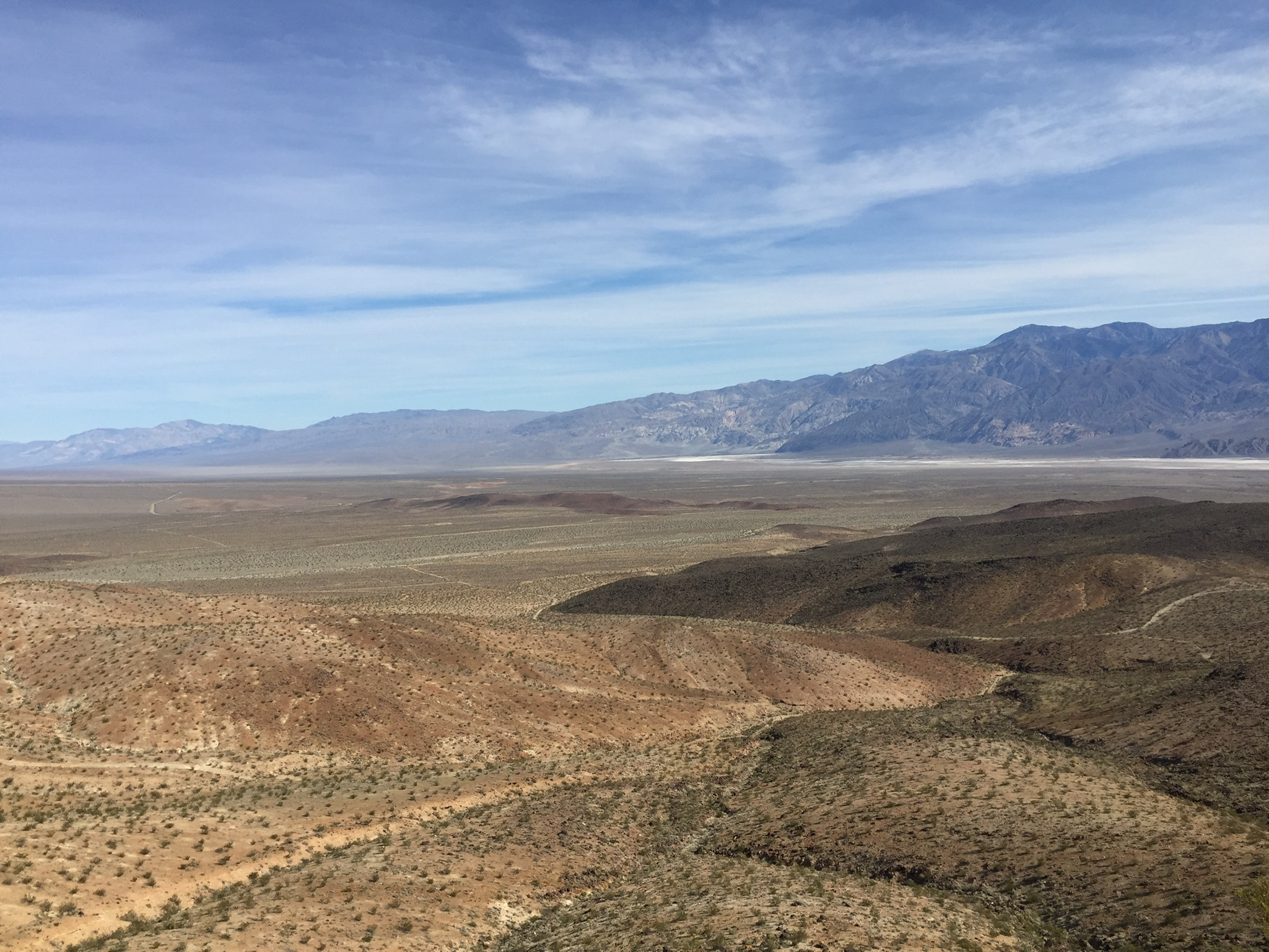
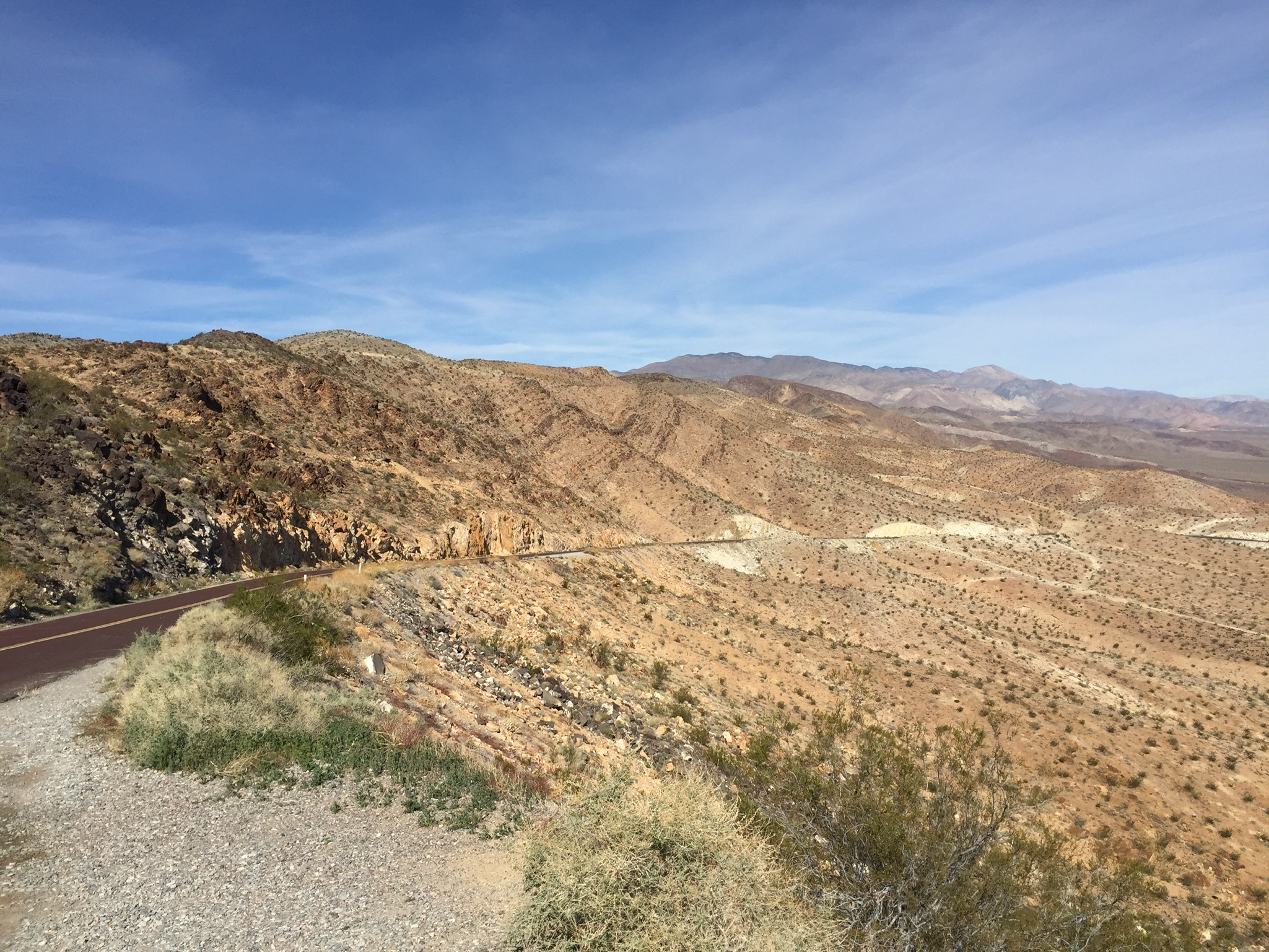
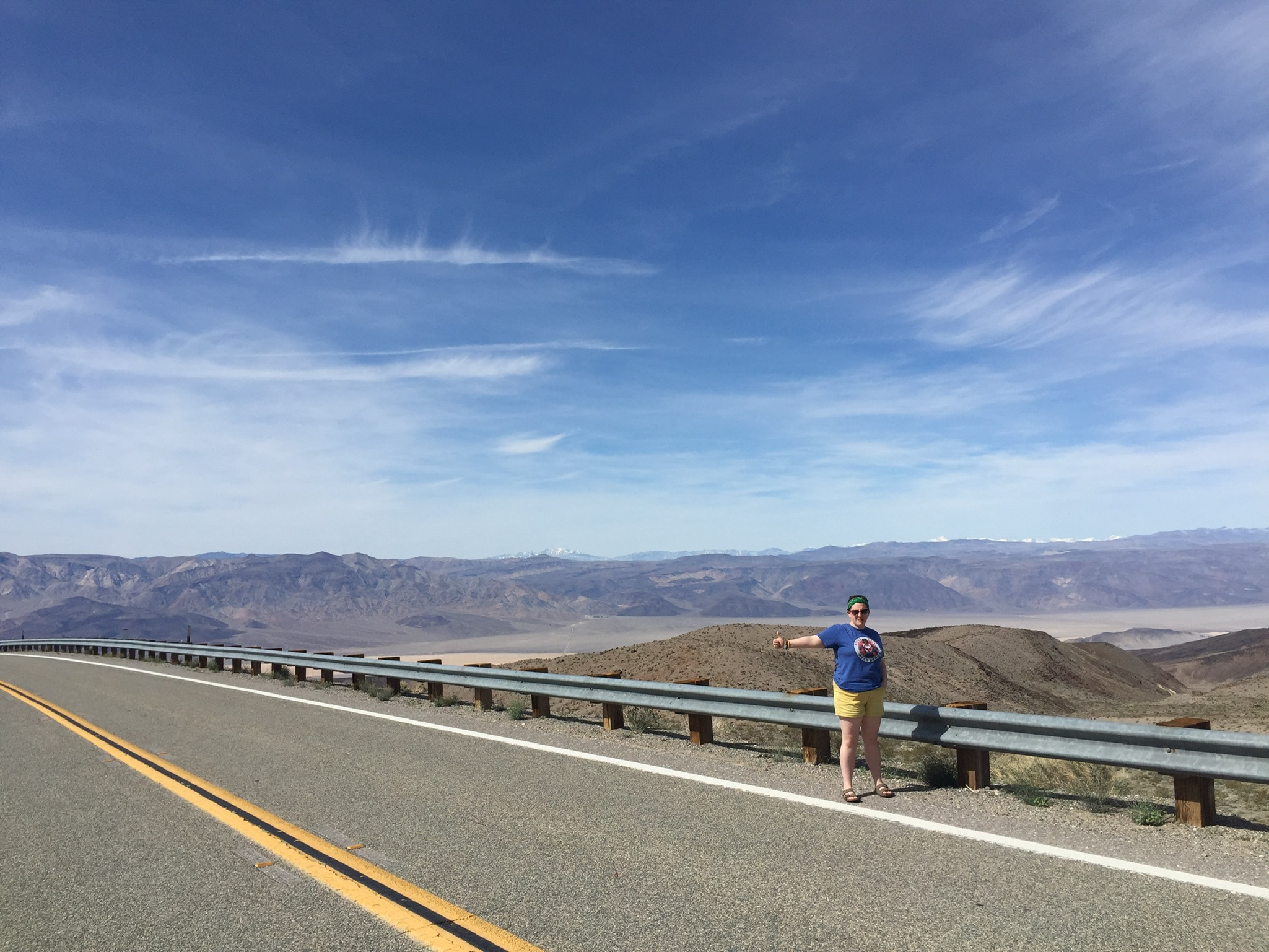
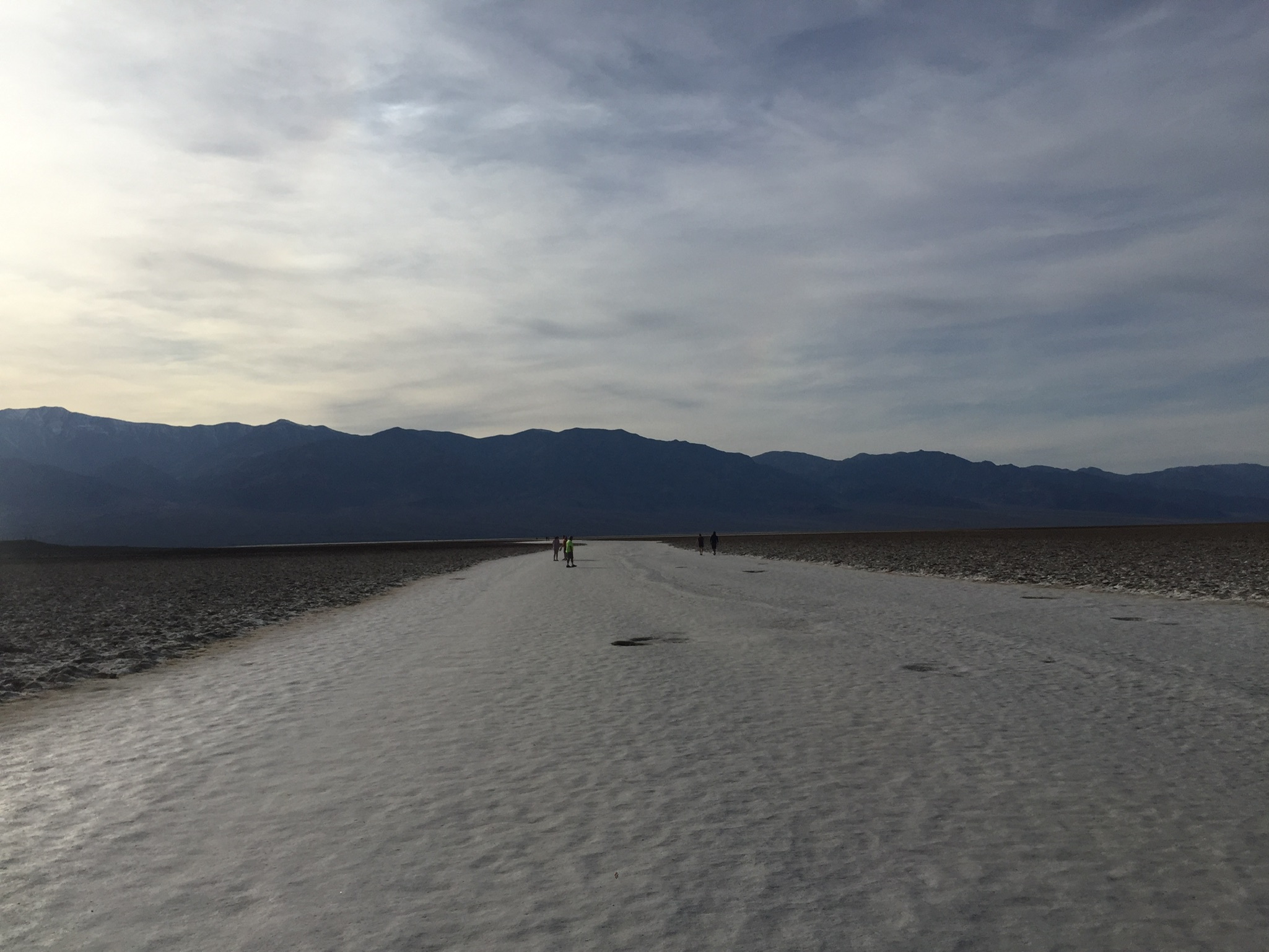
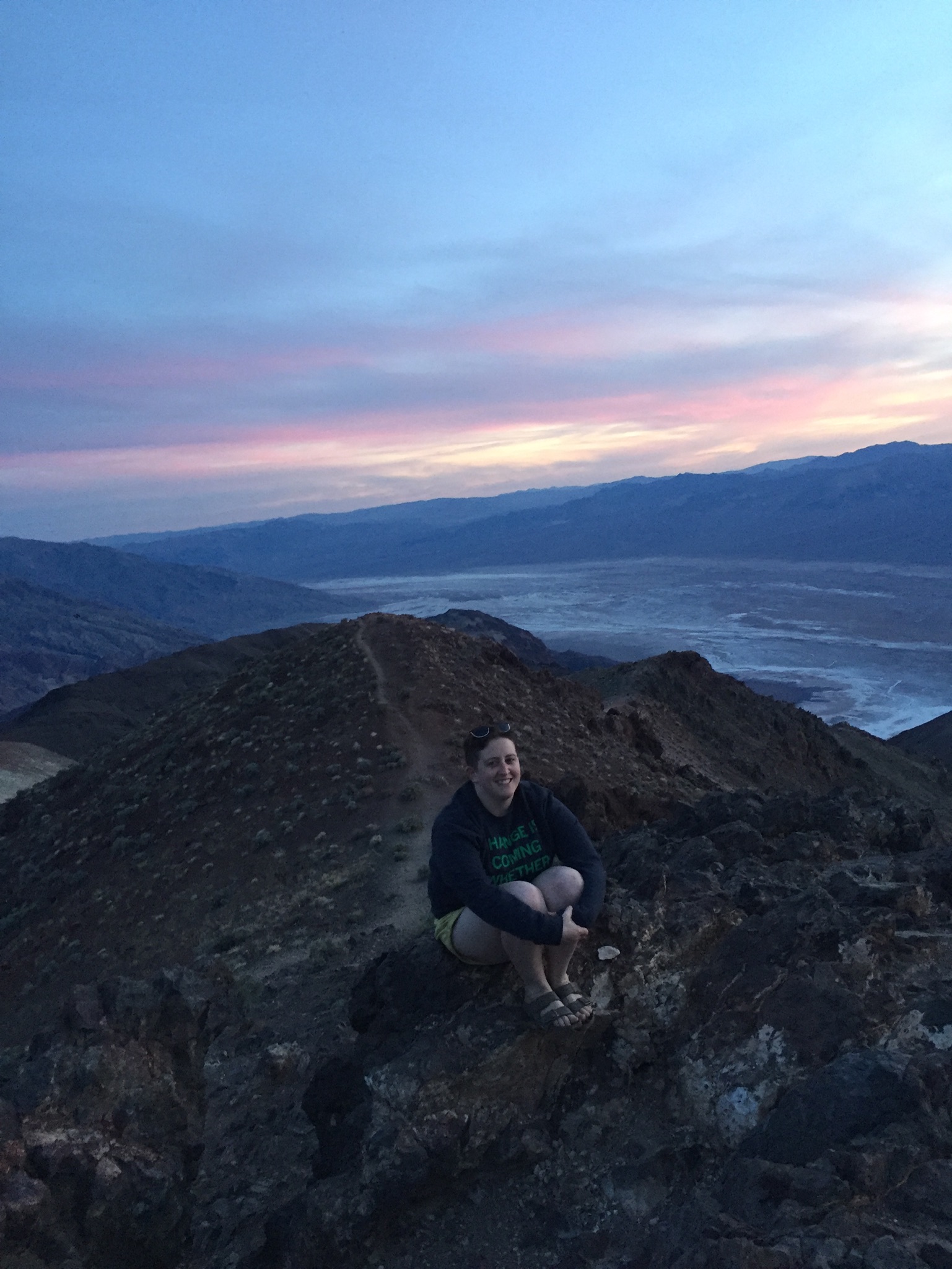
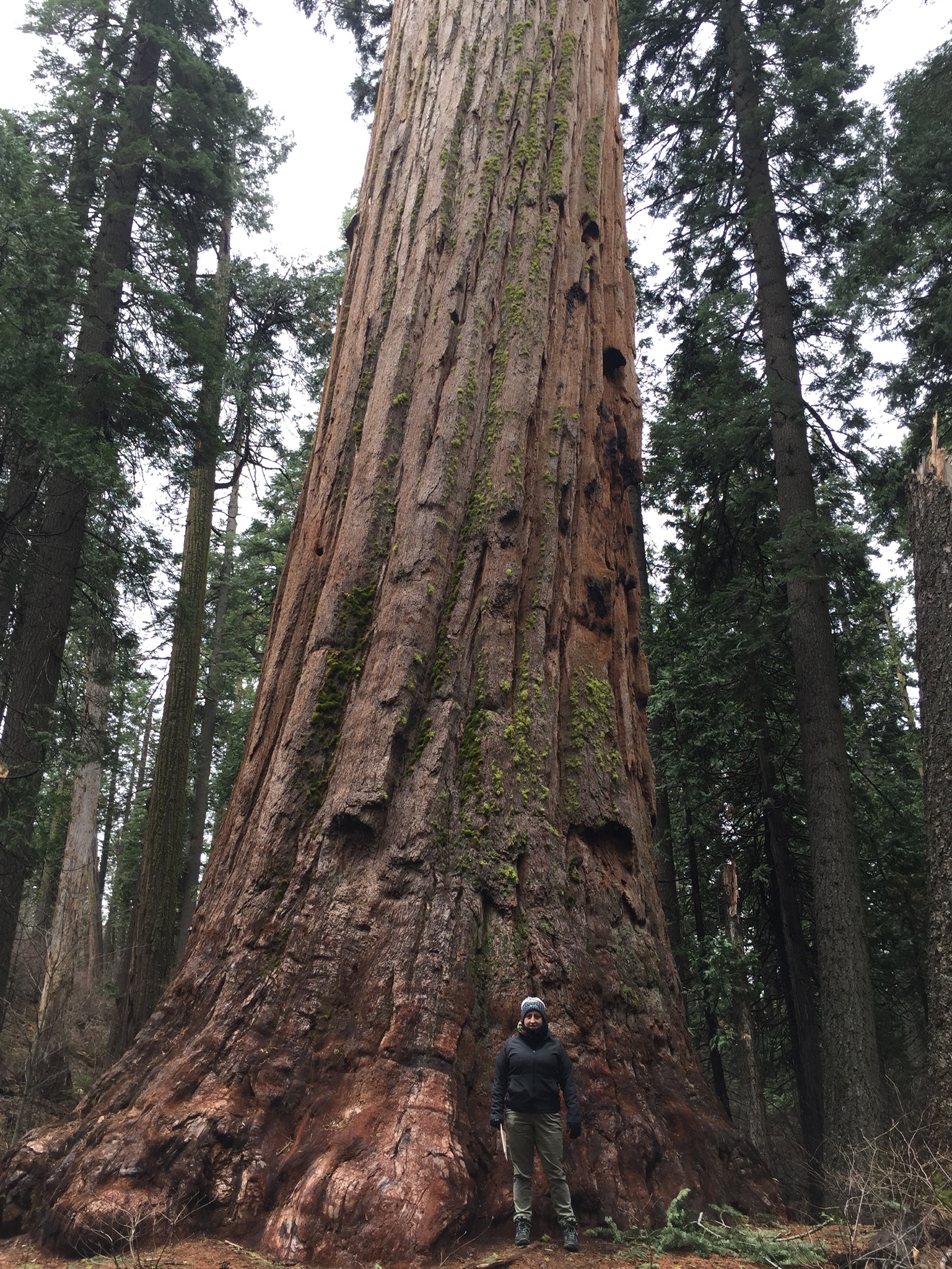
Would I think of that hiking up Croagh Patrick, or across the Bog of Allen? Probably not. But I think it was the fact that we woke up and slept in California’s natural wonder that got me thinking of citizens’ obligation to Mother Earth. We had decided to camp – partly to save money ($15-$35 vs. $100 for hotels, there aren’t many hostels) and partly to prove we could. We’d eat, drink some wine, watch something on the iPad and still be asleep early, and awake with the sun. We’d pitch the tent under the stars, waking up to the sound of crashing waves or in the dead silence of a desert campsite in Death Valley. Indeed, one night, we pretty much had it all when we reserved two spaces at Eslean Institute’s hot springs and bathed under the stars in just swimsuits between 1 and 3am, high above crashing waves, under the light of the moon. I hated Gerald Manley Hopkins’ poetry in school but never before was I so conscious of his line, ‘the world is charged with God’s grandeur’ because, well, it is. I took a bath in it.
I am not a nature person; my reviews of cities and states usually revolve their museums and galleries. But California is too… too ‘everything’ to view it from inside. The history you’ll get in a California museum isn’t worth much anyways because it scarcely references the communities that had thrived there for thousands of years before European arrival, but its outdoors, its national parks, are amongst the finest I’ve ever seen. The only disadvantage to riding buses and trains around America is that the national parks are inaccessible without a car, so maybe California’s parks aren’t even that exceptional, that there’s a whole world of similar wonder out there in the American wild! Maybe all of America’s National Park are as good, if not better! If they are, maybe American exceptionalism isn’t so outlandish after all.

 doireann.ie